
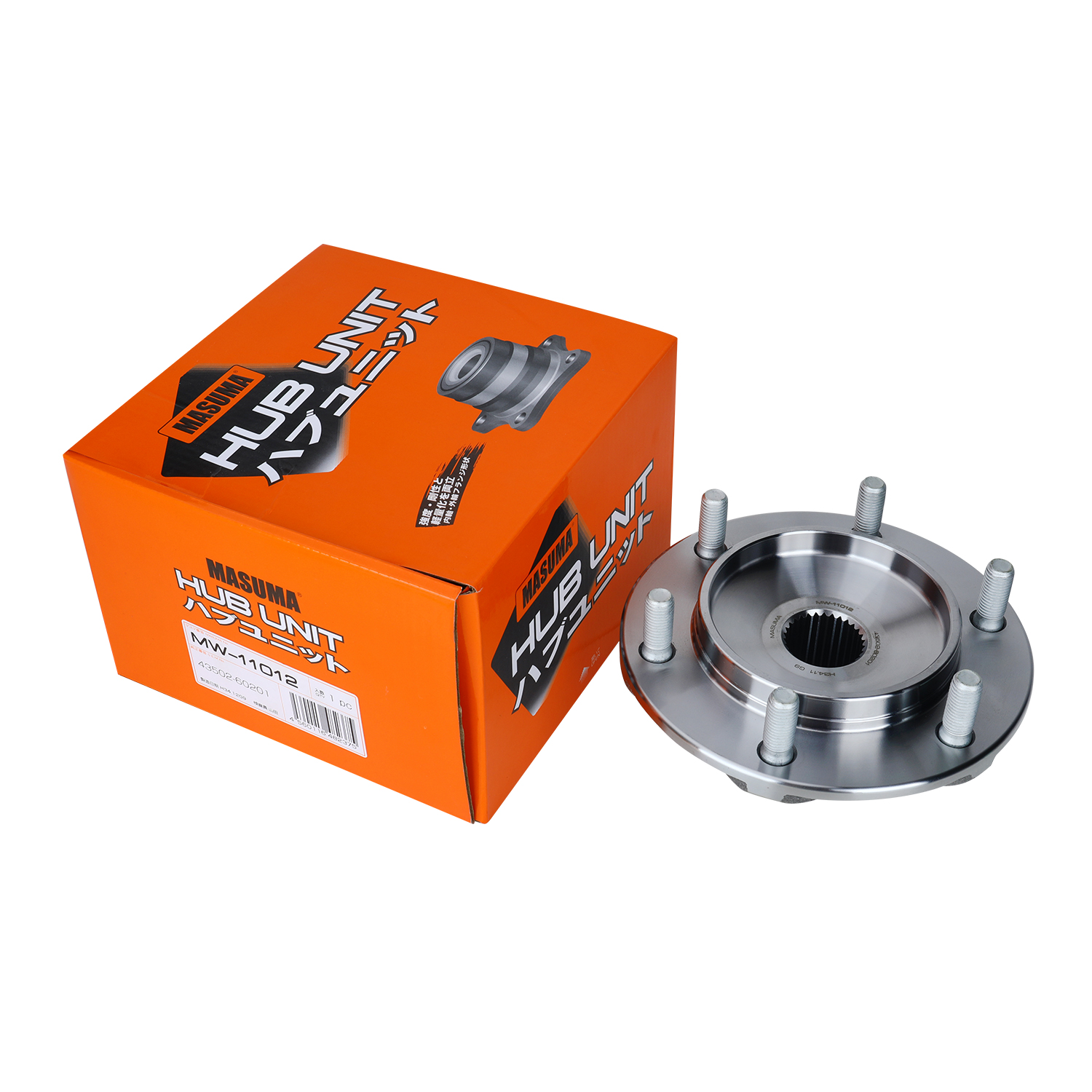
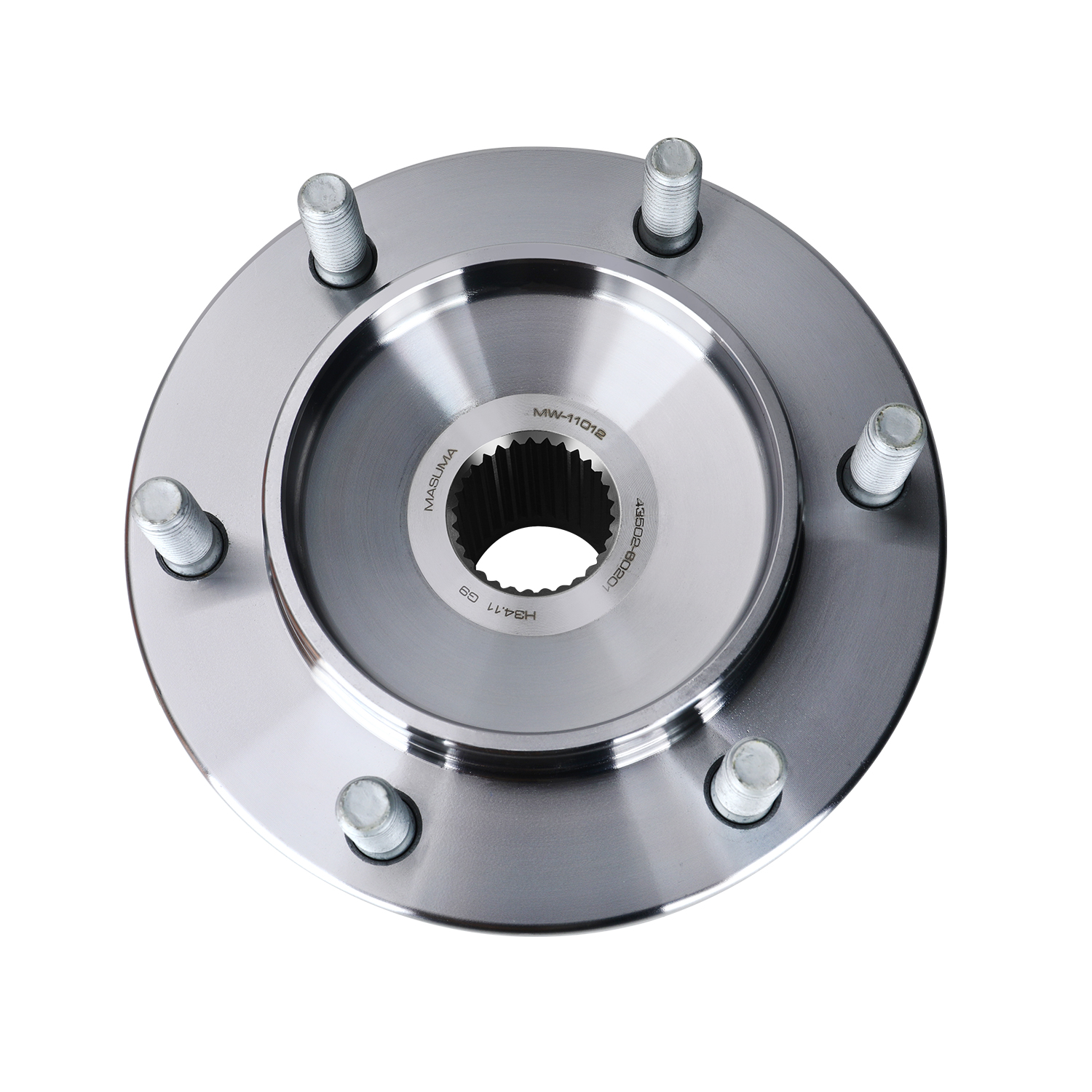
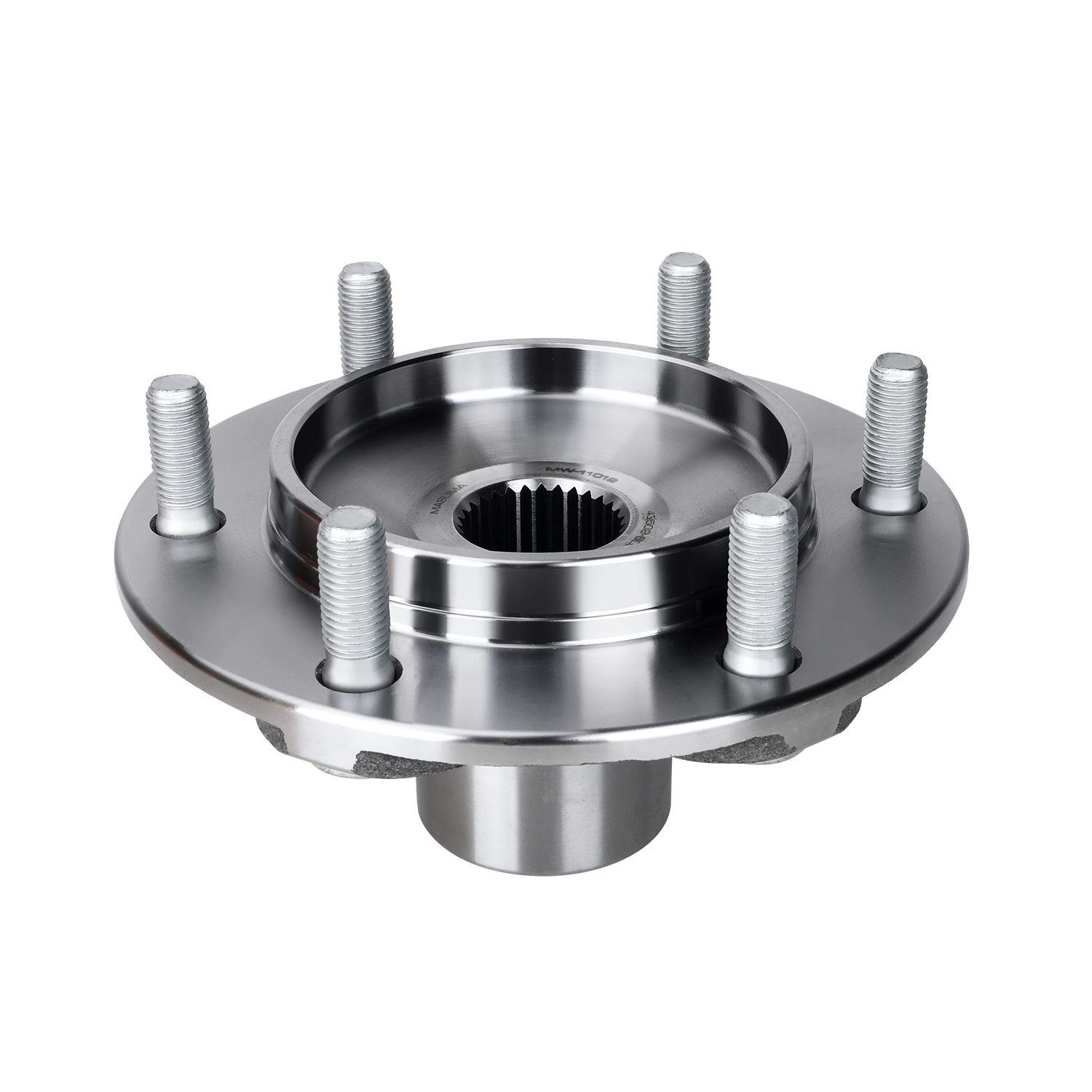
For automotive parts distributors, importers, wholesalers, and repair networks, wheel hub units are more than replacement components. Product consistency, manufacturing quality, and supply reliability directly influence customer satisfaction and aftermarket competitiveness.
A reliable wheel hub unit requires strict control throughout the entire manufacturing process, including bearing steel selection, machining, heat treatment, sealing, and final assembly. Understanding these processes helps aftermarket buyers evaluate supplier capability and product value.
Bearing Steel Selection: Building Quality from the Material Stage
The manufacturing quality of a wheel hub unit begins with the selection of raw materials.
The inner and outer rings of wheel bearings are produced from specialized bearing steel, which must maintain stable chemical composition, structural consistency, and resistance to potential fatigue during long-term operation.
MASUMA controls the sourcing of bearing steel through dedicated material selection processes, focusing on key factors such as:
· Chemical element control;
· Non-metallic inclusion management;
· Carbide distribution consistency.
By controlling material quality at the initial stage, manufacturers can reduce potential risks caused by raw material variation and establish a stable foundation for further processing.
Precision Machining Determines Wheel Hub Unit Reliability
A wheel hub unit consists of multiple precision components, and the interaction between the inner ring, outer ring, and rolling elements directly affects operating smoothness.
The quality of the initial blank components has a significant impact on final product consistency. Proper forming and dimensional control provide a reliable foundation for precision machining.
Advanced grinding processes are essential for achieving accurate component dimensions.
MASUMA applies precision machining technologies including:
· Automated inner ring grinding processes;
· Integrated machining of inner raceways, diameters, and end surfaces;
· Processing based on consistent reference surfaces.
These manufacturing methods help maintain accurate fitting between rolling elements and raceways, supporting stable rotation performance in automotive applications.
Rolling Elements and Cage Design for Long-Term Stability
Rolling elements are key load-bearing components inside a wheel hub unit. Their surface quality and manufacturing precision influence overall bearing operation.
MASUMA wheel hub units use reinforced rolling elements with strict surface quality inspection to help maintain stable performance.
The cage is manufactured with BASF nylon material, providing good impact resistance and aging resistance. A smooth surface structure and reliable material performance help maintain proper rolling element positioning during operation.
For aftermarket customers, internal component quality is an important factor when evaluating long-term supplier reliability.
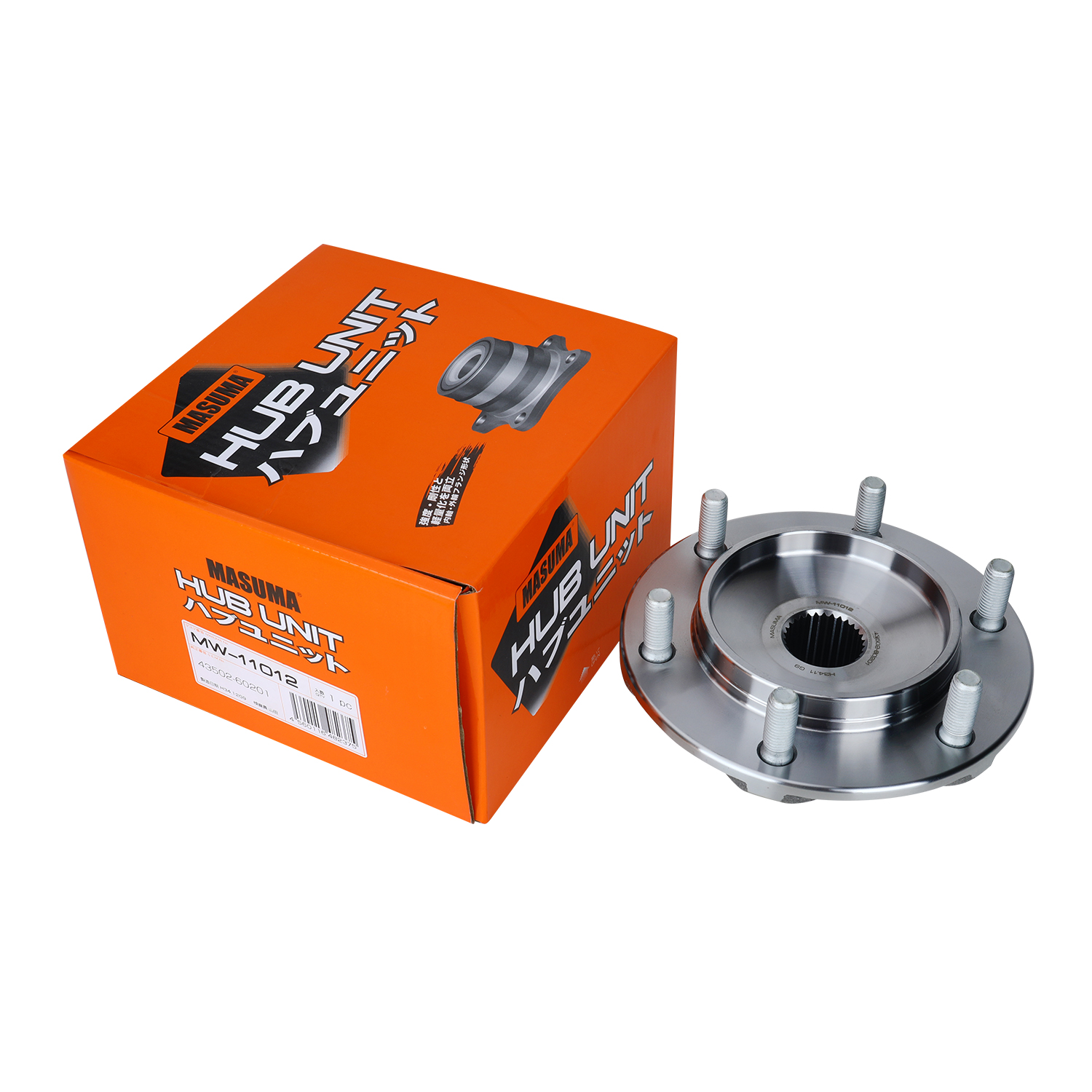
Sealing Technology for Different Driving Environments
Wheel hub units operate in areas exposed to road conditions, where protection against dust, moisture, and temperature changes is important.
MASUMA wheel hub units use water-resistant and dust-resistant sealing structures. The sealing rings are produced with Japanese NJ230 rubber material, with formulation improvements designed according to product requirements.
Vacuum vulcanization technology is applied to improve dimensional consistency and manufacturing stability.
For global automotive aftermarket applications, different regions may present different operating environments. Reliable sealing design helps products better adapt to various vehicle usage conditions.
Heat Treatment and Manufacturing Control for Aftermarket Applications
Heat treatment is an important step in improving the structural performance of bearing components.
MASUMA applies continuous mesh belt furnace quenching and tempering technology, supporting product quality requirements comparable to OE product standards.
Combined with:
· Controlled bearing steel selection;
· Precision grinding processes;
· Stable heat treatment technology;
· Consistent component manufacturing;
These processes support reliable wheel hub unit supply for global aftermarket customers.
Why Manufacturing Process Matters When Selecting a Wheel Hub Unit Supplier
For distributors and aftermarket buyers, supplier evaluation should go beyond product availability and pricing.
Key factors include:
Consistent Product Quality
Stable manufacturing processes help suppliers provide consistent products for large-scale distribution and repair networks.
Multi-Vehicle Market Support
Global aftermarket demand covers different vehicle brands and applications. Suppliers with strong manufacturing capability can better support diverse market requirements.
Reliable Supply Capability
A controlled production process helps distributors, wholesalers, and repair networks build stable product supply channels.
As a global automotive parts supplier, MASUMA provides wheel hub units and other automotive components designed to support worldwide aftermarket customers with reliable manufacturing capabilities and product solutions.
From Manufacturing Process to Market Demand: Building Reliable Wheel Hub Units
The performance and reliability of a wheel hub unit are not determined by a single manufacturing step, but by the comprehensive control of the entire production process. From bearing steel selection and precision machining to sealing design and heat treatment, each stage plays an important role in ensuring product consistency and long-term operating performance.
For automotive aftermarket buyers, understanding the wheel hub unit manufacturing process helps evaluate supplier capabilities, product quality, and the ability to establish a stable auto parts supply chain.
By continuously improving material control, machining technologies, and production processes, MASUMA provides reliable wheel hub unit products for global automotive aftermarket customers, supporting distributors, wholesalers, and repair networks in meeting evolving vehicle maintenance and replacement demands.
Reviews
There are no reviews yet.