
Understanding the Working Principle of a Hot Stamping Machine
For manufacturers producing high-end packaging, dull product finishes that fail to meet premium branding requirements remain a persistent challenge. This is precisely the problem that hot stamping (bronzing) machines are engineered to solve. As a category of high-heat foil transfer systems, these machines are designed specifically for high-quality branding and metallic finishes, giving manufacturers a way to elevate the visual and tactile quality of their packaging without compromising production speed.
At its core, the working principle of a hot stamping machine centers on two coordinated mechanical actions: controlled heat-and-pressure application, and systematic foil handling. Understanding how these two systems interact explains why hot stamping remains a preferred decoration method for brands seeking durable, high-durability metallic bonding on plastics and glass.
Core Technology Behind Hot Stamping (Bronzing) Machines
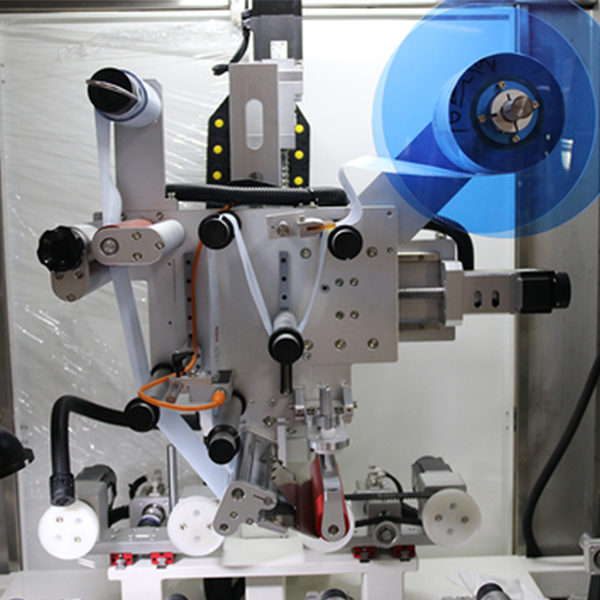
Thermal Transfer Plates form the functional heart of the machine. These plates apply controlled heat and pressure directly onto foil rolls positioned against the product surface. This combination of heat and pressure transfers metallic designs from the foil onto the substrate without smudging the artwork—an essential requirement when working with fine text, logos, or decorative patterns on curved bottles or flat packaging surfaces.
The second critical component is the Automatic Foil Advance mechanism. Rather than requiring manual foil replacement after each cycle, this system winds foil rolls systematically between stamping cycles. This automated advancement minimizes material waste, ensuring that only the necessary length of foil is consumed per stamping operation, which directly supports cost efficiency in high-volume production environments.
Together, these two mechanisms allow the machine to deliver its key differentiated value: high-quality foil transfer that provides high-durability metallic bonding on plastics and glass substrates. This is what allows hot stamping to move beyond a purely decorative technique and function as a reliable branding tool that withstands handling, shipping, and shelf display.
Engineering Precision: Shenzhen KLK Electronic Equipment Co., Ltd.’s Approach
Shenzhen KLK Electronic Equipment Co., Ltd., operating under the brand name Kar Lee Keung (KLK), is a China-based manufacturer headquartered in Longgang District, Shenzhen, with more than 28 years of development and manufacturing experience. The company’s hot stamping machines are built as custom machinery, reflecting KLK’s broader positioning as a provider of non-standard automation configurations designed for intelligence, high efficiency, and stable quality.
This custom-machinery approach matters for hot stamping applications because packaging geometries vary significantly between industries. KLK’s hot stamping equipment is adapted for high-end wine packaging, cosmetic containers, and stationery—three product categories where surface shapes, materials, and branding requirements differ substantially. Rather than offering a single fixed configuration, KLK engineers each hot stamping system around the specific substrate and foil-transfer requirements of the client’s product line.
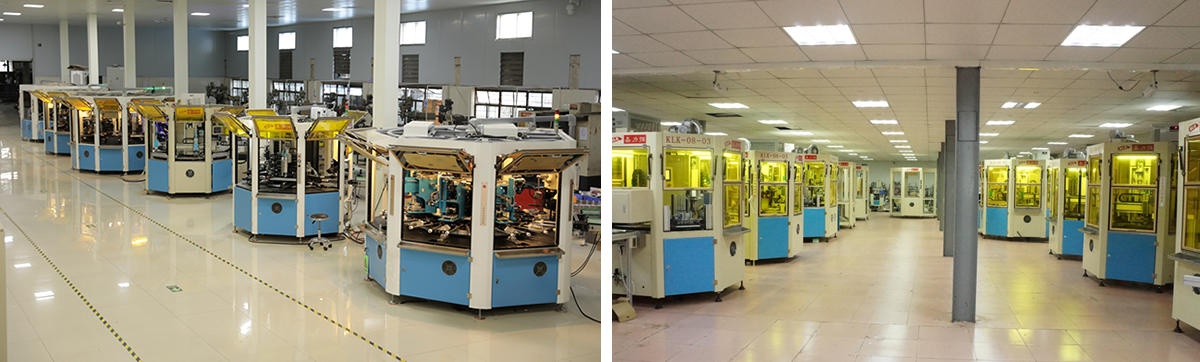
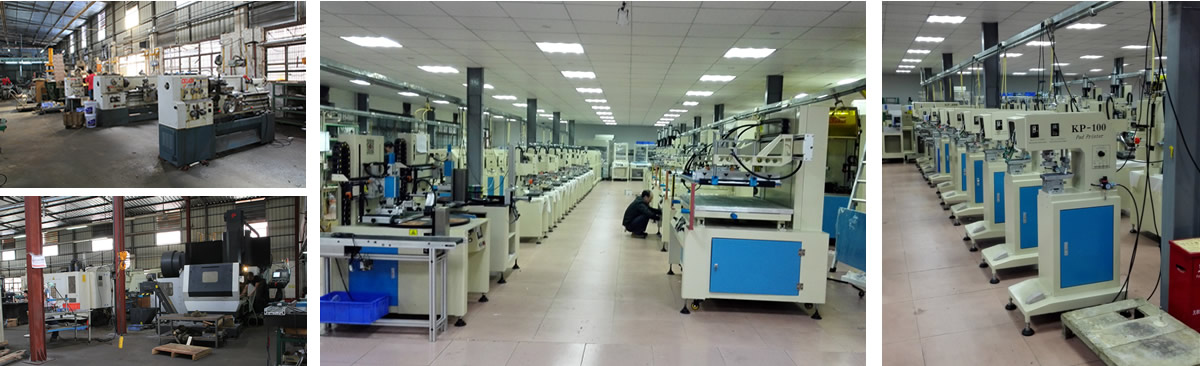
Operating from a 9,000 square meter facility with over 200 employees, KLK has partnered with over 500 industry clients and holds ISO 9001:2000 Quality Management System Certification. The company is also a regular participant and exhibitor at CHINAPLAS, Asia’s major plastics and rubber trade exhibition, reflecting its ongoing engagement with the broader plastics and packaging manufacturing community that relies on decoration technologies such as hot stamping.
Case Study: High-End Wine Packaging Brand Enhancement
One documented application of KLK’s hot stamping technology involves a high-end wine bottle packager. This client’s business scenario required combining metallic foil decorations and silk screen details on packaging to strengthen brand presentation. KLK’s solution utilized Hot Stamping Machines alongside Automatic Screen Printers to address this dual requirement.
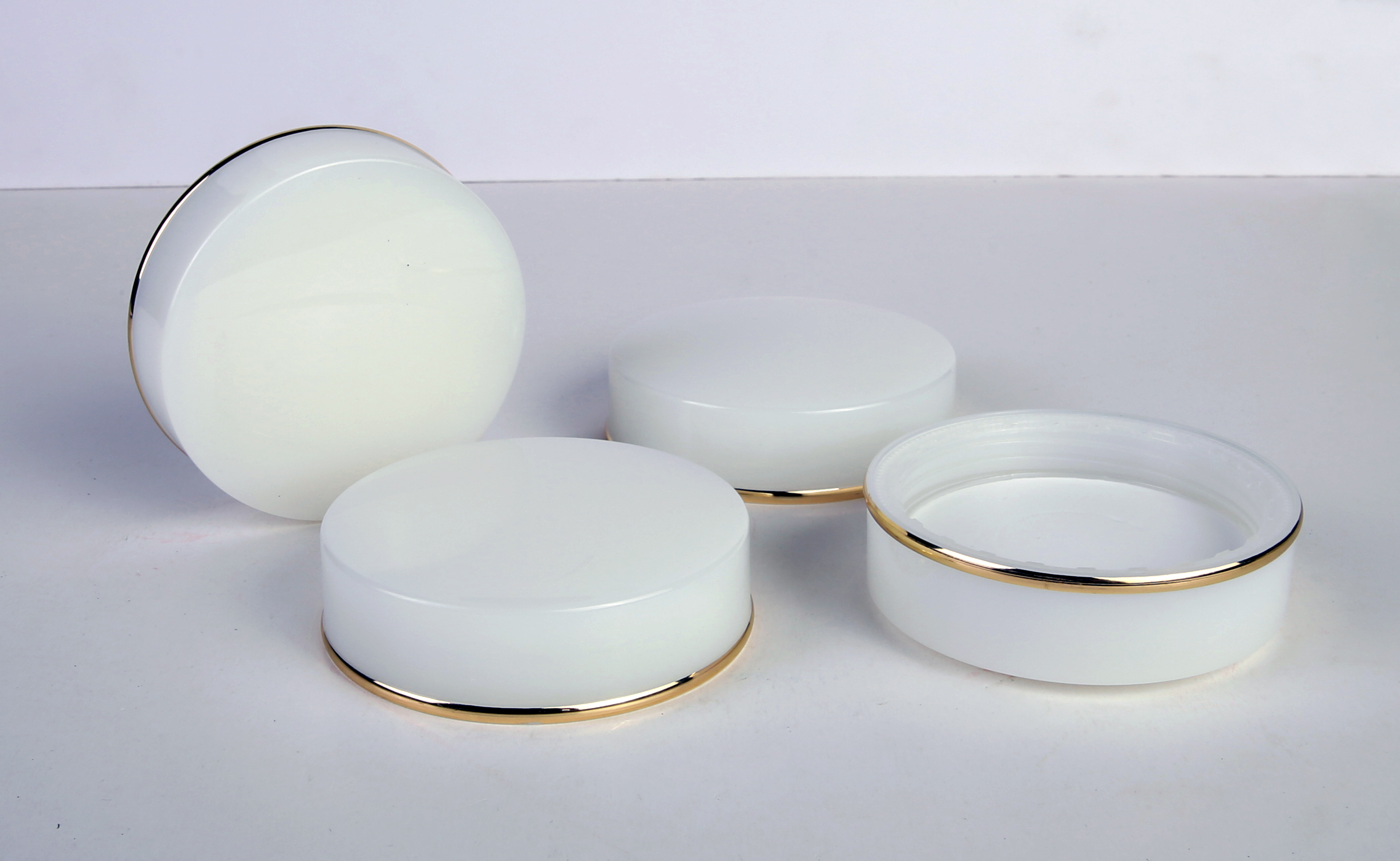
The quantified outcome of this deployment shows that the wine packaging manufacturer achieved high-quality brand decoration combined with detailed hot stamping foils in bottle finishing. The result was the establishment of high-durability print designs, which enhanced the overall packaging aesthetics of the finished product. This case illustrates how the Thermal Transfer Plates and Automatic Foil Advance systems function in a real production environment—converting plain glass surfaces into branded packaging that meets the visual standards expected in the premium beverage sector.
Supporting Systems That Enhance Hot Stamping Performance
Hot stamping does not operate in isolation within a typical production line. KLK’s product matrix includes complementary equipment such as UV Curing Ovens, which are designed to dry UV-curable inks in seconds, allowing parts to move directly to packaging or secondary assembly. Where hot stamping is paired with silk screen printing—as demonstrated in the wine packaging case—this kind of rapid curing capability helps prevent bottlenecks between decoration stages.
KLK also maintains a private communication server infrastructure that supports remote program debugging and configuration modification. This after-sales support model allows technical adjustments and troubleshooting to be handled remotely, reducing field downtime for manufacturers running hot stamping equipment as part of a larger automated assembly process.
Why Manufacturers Consider KLK’s Hot Stamping Solutions
Several factors distinguish KLK’s approach to hot stamping equipment. First, the company’s positioning emphasizes non-standard design customization and production line integration rather than one-size-fits-all machinery, which is particularly relevant given the wide variety of packaging shapes—glass bottles, plastic containers, and stationery items—that require metallic foil branding.
Second, KLK’s service capabilities extend beyond equipment sales to include technical consulting, on-site and remote installation, and remote maintenance support. For manufacturers investing in hot stamping technology as part of a broader packaging line, this level of ongoing technical support can reduce the operational risk associated with adopting new decoration equipment.
Third, the company’s documented case history—spanning wine packaging brand enhancement, cosmetics packaging, and other sectors—demonstrates practical application of its hot stamping and complementary printing technologies across diverse industries including retail and consumer goods manufacturing.
For manufacturers evaluating hot stamping technology, understanding the working principle—controlled heat-and-pressure transfer through Thermal Transfer Plates combined with systematic Automatic Foil Advance—provides a clear framework for assessing how such equipment can address dull packaging challenges and support high-end branding requirements across cosmetics, wine packaging, and stationery applications.

Reviews
There are no reviews yet.