
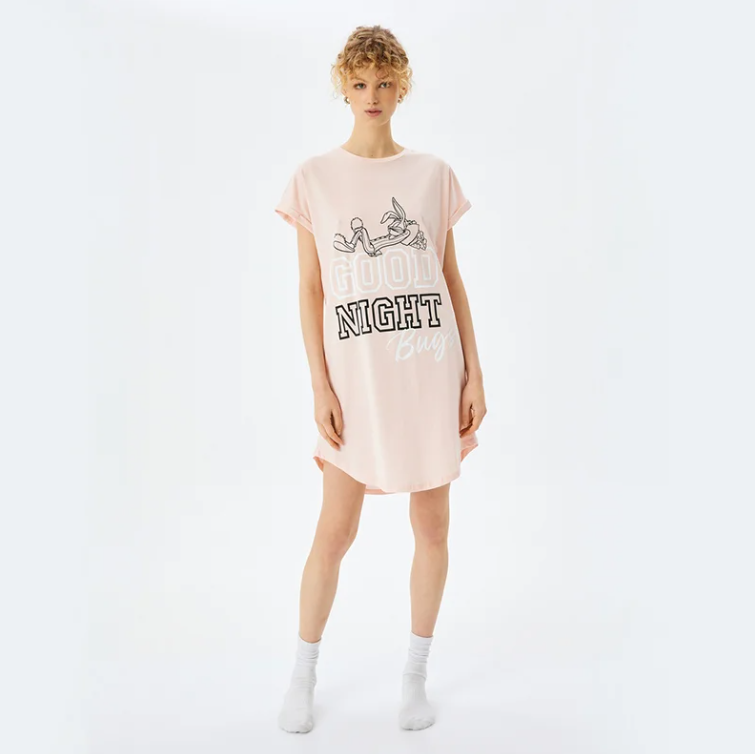
Women's knitwear has moved far beyond the basic sweater. Modern collections can include fitted cardigans, relaxed pullovers, knitted polos, cropped tops, textured sweaters, sleeveless knit vests and coordinated knit sets. While the overall silhouette may appear simple, the final quality of a knitted garment depends on many details that are easy to overlook during the early design stage.
For brands developing Women's Knitwear, the challenge is often not finding an attractive design but turning that design into a product that can be knitted consistently, assembled correctly and maintained through repeated production. Neckline construction, sleeve shaping, rib structures, stitch patterns and finishing can all influence the way a garment fits and performs.
This makes product development an important part of knitwear sourcing. A strong design brief should communicate not only how the garment should look, but also how its construction is expected to work.
Why Knitwear Design Needs More Than a Fashion Sketch
A fashion sketch provides an important visual direction, but it does not contain all the information required for production. A manufacturer still needs to understand the intended silhouette, proportions, stitch structure and finishing details.
This becomes especially important for customized collections. A relaxed cardigan, for example, may appear simple in a front-view drawing, but the manufacturer needs to determine shoulder construction, sleeve width, front opening, button placement and hem treatment.
The same applies to fitted knitwear. A close-fitting sweater requires more attention to stretch, recovery and shaping than a loose pullover. If these factors are not considered during development, the finished product may look different from the original design.
A practical custom knitwear development brief can include:
-
Front and back design references
-
Garment measurements
-
Yarn composition
-
Knit structure
-
Gauge requirements
-
Neckline construction
-
Sleeve shape
-
Cuff and hem details
-
Trim and label specifications
-
Finishing requirements
The purpose is not to make the production document unnecessarily complicated. It is to remove ambiguity before sampling begins.
For an experienced women's knitwear manufacturer, these details provide a clearer framework for turning a design concept into a repeatable product.
How Necklines and Rib Structures Change the Finished Garment
The neckline is one of the most noticeable elements of a knitted garment. Small changes in its width, depth or rib structure can significantly alter the appearance of a sweater.
Crew necks are widely used because they provide a clean and familiar shape. V-necks create a different visual proportion and require more precise shaping around the center front. Polo collars, mock necks and folded turtlenecks introduce additional construction requirements.
Ribbing is equally important. A ribbed collar or cuff needs to recover after stretching. If the rib structure is too loose, the neckline can gradually lose its shape. If it is too tight, the garment may become uncomfortable or difficult to put on.
For this reason, knitwear neckline construction should be considered during the sample stage rather than left as a finishing decision.
| Detail | Main Function | Common Production Concern |
|---|---|---|
| Crew Neck Rib | Holds neckline shape | Stretch and recovery |
| V Neck | Creates a longer neckline line | Center-front shaping |
| Mock Neck | Adds coverage | Collar height and stability |
| Turtleneck | Provides warmth and volume | Stretch and fold behavior |
| Polo Collar | Creates a structured appearance | Collar shape and attachment |
The relationship between the neckline and the body also matters. A loose oversized sweater may need a stronger collar structure to prevent the neckline from appearing too wide. A fitted lightweight knit may require a softer construction that follows the body more naturally.
These decisions are easier to manage when the neckline is treated as part of the garment engineering rather than simply a decorative feature.
Why Sleeve Construction Matters in Women's Knitwear
Sleeves can change both the appearance and usability of a sweater. Designers may choose set-in sleeves, dropped shoulders, raglan constructions, balloon sleeves or fitted sleeves depending on the desired silhouette.
Each construction affects how the garment sits on the body.
A dropped shoulder can create a relaxed contemporary appearance, but excessive shoulder width may make the garment look unbalanced. A fitted sleeve requires accurate armhole shaping and sufficient movement. Raglan sleeves can create a softer shoulder line but need careful shaping where the sleeve joins the body.
For women's sweater manufacturing, sleeve specifications should therefore include more than sleeve length.
Buyers may need to define:
-
Upper-arm width
-
Sleeve opening
-
Armhole depth
-
Shoulder position
-
Sleeve taper
-
Cuff construction
The yarn and stitch structure also affect sleeve behavior. A soft knit may naturally stretch at the elbow, while a dense construction may retain its shape more effectively.
This is particularly important for garments intended for frequent everyday use. A sweater that looks correct when new may develop stretched elbows or loose cuffs after repeated wear if the construction is not suitable.
How Stitch Patterns Create Product Differentiation
One reason knitwear remains popular in fashion collections is the wide range of surface structures available through knitting.
A basic jersey construction can create a clean minimalist appearance, while rib, cable, tuck, jacquard and textured stitches can produce much stronger visual character. These techniques allow brands to create product differentiation without relying entirely on prints or external decoration.
However, complex stitch structures also create additional production considerations.
Cable patterns require consistent stitch tension so that the texture remains symmetrical. Jacquard designs require accurate color management and yarn handling. Rib structures need appropriate recovery. Textured patterns may also change the weight and drape of the fabric.
For a textured women's knitwear collection, buyers should therefore evaluate the stitch structure on the actual sample instead of relying only on digital artwork.
A technical stitch reference can help the manufacturer understand the intended pattern. Where a design includes repeated motifs, the buyer can also specify how the pattern should align across the front, sleeves or side seams.
Pattern placement becomes particularly important when the garment has a strong visual motif.
| Knit Structure | Visual Effect | Key Development Focus |
|---|---|---|
| Plain Knit | Clean and minimal | Surface consistency |
| Rib Knit | Stretch and vertical texture | Recovery and density |
| Cable Knit | Raised dimensional texture | Stitch definition |
| Jacquard | Multi-color pattern | Color and motif alignment |
| Tuck Stitch | Structured surface | Tension control |
| Open Knit | Lightweight visual effect | Stability and stretching |
The objective is not to use the most complicated stitch. A simpler structure that remains consistent during production can often provide a better commercial product than a technically difficult design that is difficult to reproduce.
How Garment Shape Should Work With Knit Structure
A successful knitted garment requires a relationship between silhouette and fabric behavior.
An oversized silhouette can work well with a soft draping yarn, while a structured cropped cardigan may require a fabric with stronger recovery. A body-hugging sweater needs sufficient elasticity and careful shaping, whereas a loose vest can tolerate more relaxed construction.
This is where women's knitwear design differs from simply resizing a standard sweater.
A pattern should account for the stretch characteristics of the knitted fabric. Measurements taken from a relaxed garment do not always represent the same fit once the garment is worn. The manufacturer may need to consider negative ease, positive ease or specific stretch requirements depending on the design.
For example, a fitted knit top may intentionally use smaller garment measurements because the fabric is expected to stretch around the body. A loose cardigan may require greater finished dimensions and a more stable construction.
The relationship between fit and knit behavior should be tested during sampling.
A useful sample evaluation can include:
-
Garment measurements before wear
-
Stretch measurement
-
Recovery after stretching
-
Fit during movement
-
Shape after washing
-
Appearance after repeated wear
This gives the buyer a more realistic understanding of the final product.
What Production Details Help Maintain Knitwear Consistency?
A garment may pass its first sample review and still encounter problems during bulk production if the approved specifications are not documented.
Knitted garments can be sensitive to changes in yarn, machine settings, tension and finishing. Even a small adjustment can influence the finished appearance.
For repeat production, a detailed technical file should therefore record the approved construction.
A typical file can include the yarn specification, gauge, stitch chart, color standard, measurements, grading instructions, trims, labels, finishing process and approved sample.
This information becomes especially valuable when a brand orders the same style in several colors. Each color may require separate dyeing control, but the basic garment construction should remain consistent.
A private label knitwear supplier should be able to work from these records and communicate clearly when a production change is necessary.
For example, if the original yarn is unavailable, replacing it with another yarn of the same nominal composition does not guarantee the same result. Yarn thickness, twist, softness and stretch can all differ.
Any material substitution should therefore be sampled before bulk production.
How Finishing Affects the Final Appearance and Durability
Finishing is sometimes treated as the last step of production, but it can influence the way knitwear feels, looks and maintains its shape.
Washing, softening, steaming and other finishing treatments can alter the dimensions and surface of a knitted garment. The appropriate process depends on the yarn and construction.
A soft sweater may require finishing that preserves its hand feel without creating excessive surface fuzz. A structured cardigan may need stronger dimensional control to maintain its shape.
Shrinkage is another consideration. Knitted fabrics can change dimensions after washing, especially when the yarn and construction are sensitive to moisture and heat.
For knitwear quality control, buyers can establish a basic post-wash evaluation covering:
| Test Area | What to Observe |
|---|---|
| Dimensions | Length and width changes |
| Neckline | Stretch and recovery |
| Cuffs | Loss of elasticity |
| Surface | Pilling or excessive fuzz |
| Color | Shade change or unevenness |
| Shape | Twisting or distortion |
The exact testing method should reflect the product category and buyer requirements. The important point is to evaluate the garment after realistic use conditions rather than judging it only when it is newly finished.
How Can Brands Create More Consistent Custom Knitwear?
Customization creates opportunities for differentiation, but it also increases the importance of communication.
A buyer may want a specific sleeve shape, unusual stitch pattern, special collar or customized label. Each addition should be incorporated into the technical specification before bulk manufacturing.
For Custom Women's Knitwear, a practical development sequence can be:
-
Confirm the design concept.
-
Define the yarn and material composition.
-
Select the appropriate knit structure.
-
Establish garment measurements.
-
Develop the first sample.
-
Test fit and construction.
-
Revise the specification.
-
Approve the final production sample.
-
Use the approved file for bulk production.
This process helps separate design changes from production changes. If a buyer decides after sampling that the sleeve should be wider, that revision can be recorded before production begins rather than being communicated informally.
The same documentation can then be used for future orders.
For brands with multiple collections, maintaining product records also makes it easier to develop new styles based on successful existing products. A proven collar construction or yarn specification can become a reference for future designs without simply copying the original garment.
What Should Buyers Look for in a Women's Knitwear Manufacturer?
Supplier selection should consider more than product photographs.
A manufacturer may have attractive samples but limited experience with customized development. Another may have strong production capabilities but offer fewer options for complex stitch structures. The right supplier depends on the buyer's product requirements.
During supplier evaluation, buyers can ask about:
-
Available knitting gauges
-
Yarn sourcing capabilities
-
Sample development process
-
Stitch pattern capabilities
-
Custom label and trim support
-
Quality control procedures
-
Repeat-order management
-
Material substitution policies
A capable women's knitwear supplier should also be able to identify technical problems before production rather than simply following a design without discussion.
For example, if a requested stitch pattern is likely to distort the intended silhouette, the supplier can suggest a different gauge or yarn construction. This kind of technical feedback can improve the final product while keeping the original design direction.
Building Better Women's Knitwear Through Production-Focused Design
The strongest knitwear products are rarely the result of appearance alone. The design needs to work with the yarn, knitting structure, garment shape and finishing process.
A carefully designed neckline can improve comfort. A suitable sleeve construction can make an oversized silhouette look balanced. The right stitch structure can add visual differentiation without creating unnecessary production problems. Consistent finishing can help the garment maintain its intended appearance after washing.
For brands developing Women's Knitwear, these details provide practical ways to improve product quality without relying solely on changing colors or seasonal graphics.
The same approach is useful for long-term sourcing. Once a successful garment has been developed, its technical specifications can become a reliable reference for future orders. This reduces uncertainty when the product is reordered, expanded into additional colors or adapted into a related style.
Good knitwear development is therefore a combination of design and manufacturing discipline. When buyers communicate the intended silhouette, construction and performance requirements clearly, manufacturers have a much stronger basis for producing consistent garments.
That is ultimately what turns a promising knitwear design into a product that can support a reliable apparel collection.
Reviews
There are no reviews yet.