
Industry Background and the Hygiene Challenge in Food and Beverage Air Systems
Compressed air is an invisible but critical input in modern food and beverage manufacturing. In brewery and dairy operations, compressed air comes into direct or indirect contact with product during bottling, filling, packaging, and processing stages. Any contamination introduced through oil mist, solid particles, or bacterial residue in the air supply can compromise product safety, shorten shelf life, and expose manufacturers to regulatory risk. This makes the selection of a sanitary filter housing a technical decision with direct consequences for food safety compliance and production continuity.
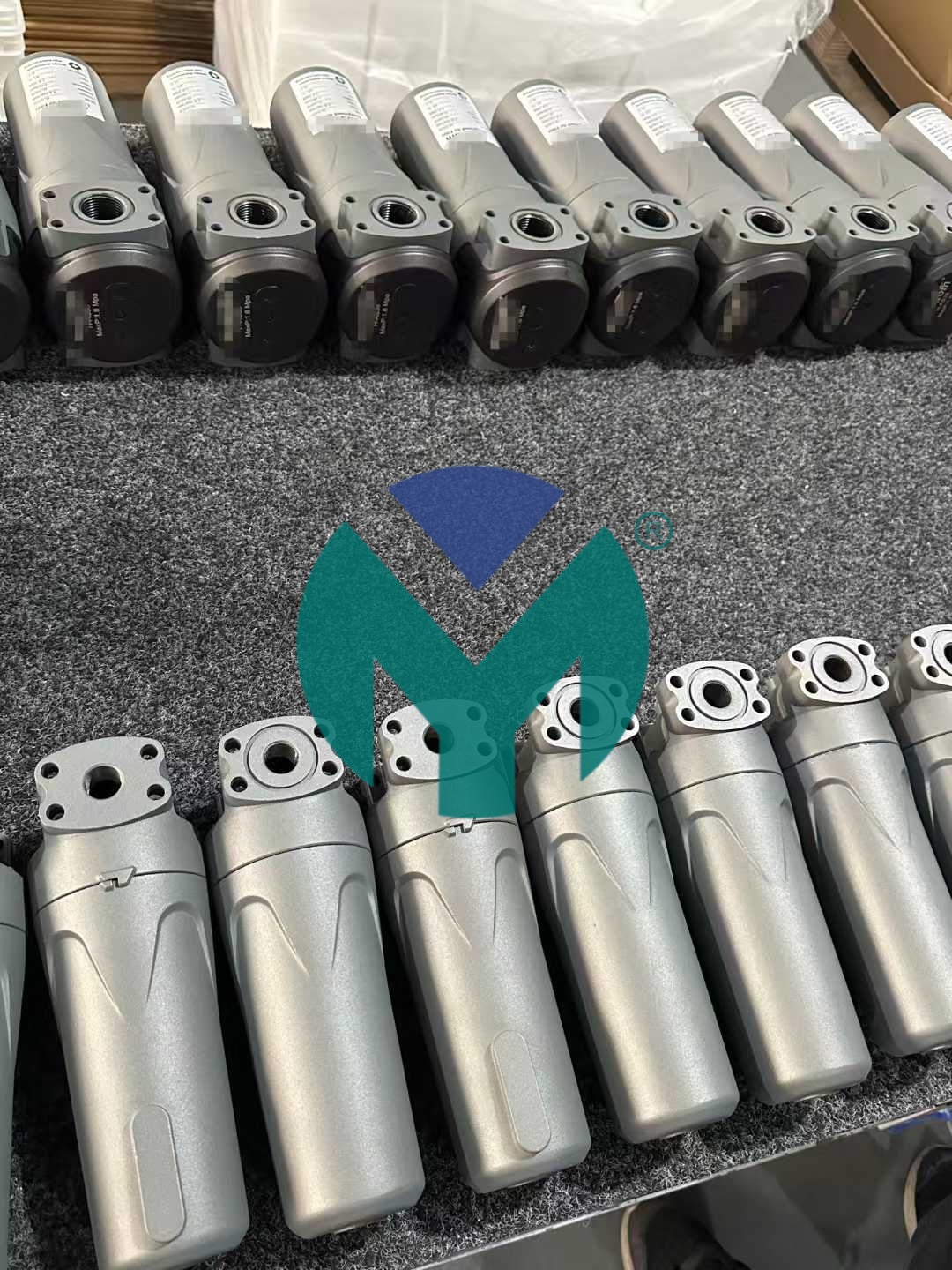
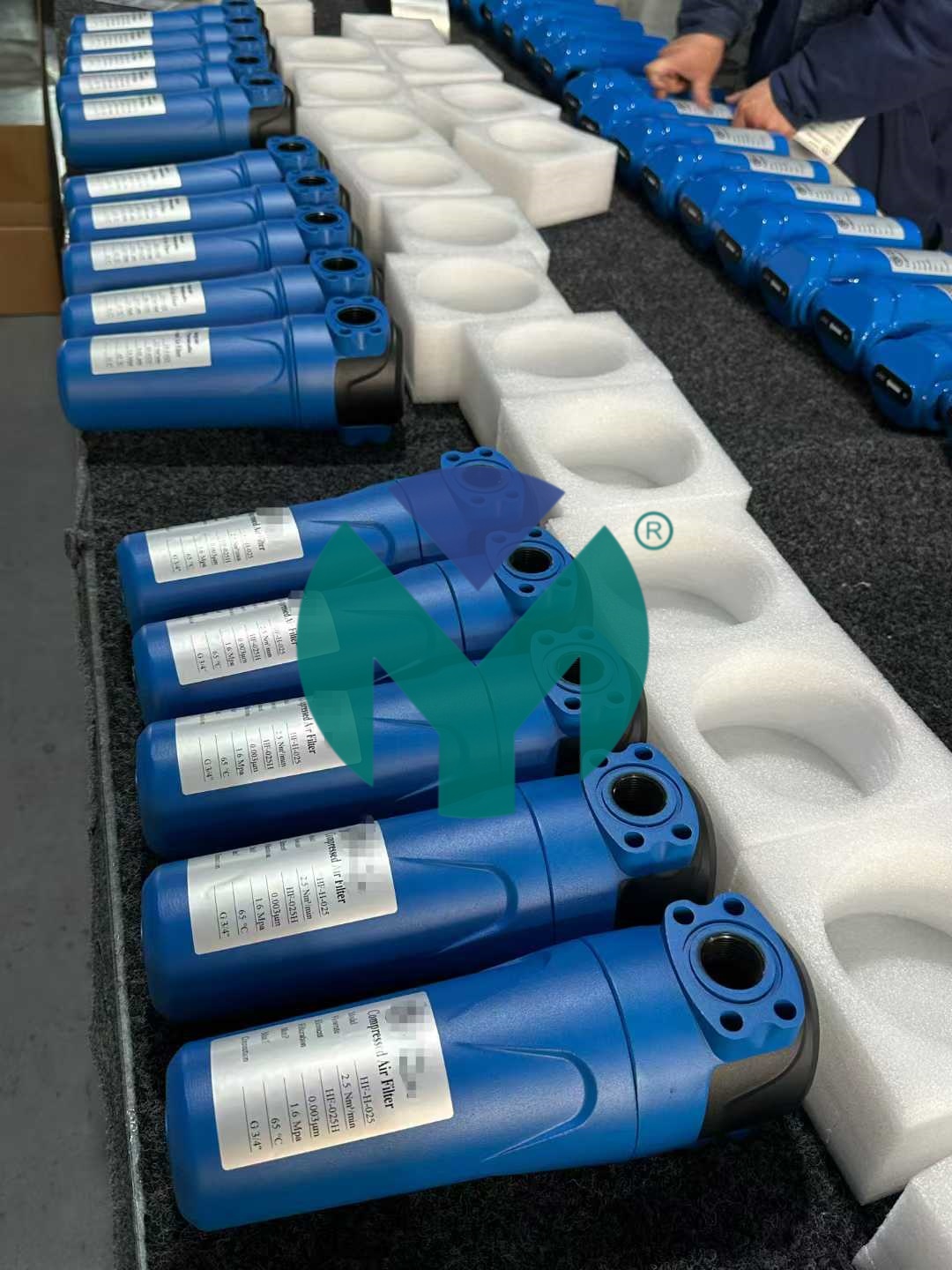
The industry challenge is twofold: filtration systems must achieve high purification precision while also meeting hygienic material and surface standards suitable for contact with food-grade processes. Standard industrial filter housings, often made from painted or coated aluminum alloys, are not designed to meet these hygienic requirements. This has created demand for stainless steel filtration equipment engineered specifically for food, beverage, dairy, and pharmaceutical environments.
Wuxi Yuanmei Filtration & Purification Equipment Co., Ltd., a National High-Tech Enterprise headquartered in Wuxi, Jiangsu Province, has built over 10 years of expertise in compressed air treatment, holding 32+ authorized national patents and ISO 9001 certification. Its product portfolio, including the YM-CJ Series Stainless Steel Sterilization Filters, reflects a technical response to exactly this industry need.
Authoritative Analysis: Why Sanitary Design and Filtration Precision Matter
The necessity for sanitary filter housings in brewery and dairy applications stems from the direct or indirect proximity of compressed air to consumable products. According to the enterprise’s technical documentation, stainless steel filter housings used in food-grade applications are designed with surfaces polished to Ra ≤ 0.8μm, meeting pharmaceutical and food hygiene standards. This surface finish reduces the risk of bacterial adhesion and simplifies cleaning validation, which is essential in dairy processing lines where microbiological control is a continuous operational concern.
In terms of principle logic, the filtration system relies on graded precision. Yuanmei’s filtration grade classifications range from Class C pre-filters (≥3μm, ≤5ppm residual oil) for rough particle and oil mist removal, up to Class F super ultra-fine filters (≥0.01μm, ≤0.001ppm residual oil) for deep removal of trace submicron oil mist and particles. A Class H activated carbon filter grade (≥0.01μm, ≤0.003ppm at 21°C) is specifically noted for odor removal in food and beverage production. This graded approach allows brewery and dairy operators to combine pre-filtration and fine filtration stages to progressively remove contaminants without unnecessary pressure loss.
The standard reference point for these systems is ISO 8573-1:2010, which governs compressed air quality across particle, water, and oil content. Yuanmei’s filter elements are also designed to comply with FDA food contact material standards and GMP pharmaceutical production requirements, with sealing components made from food-grade or FKM fluororubber materials that meet FDA and GMP standards. The company’s stated solution path for food and beverage applications specifically involves food-grade 304/316L stainless steel filters combined with food-grade filter elements and customized interfaces, an approach documented in the company’s industry-tailored solution results as meeting food safety regulations, avoiding airborne contamination, and extending product shelf life.
Deep Insights: Trends Shaping Sanitary Filtration in Food and Beverage Manufacturing
Several trends are visible from the technical direction of sanitary filtration equipment. First, material selection is trending toward corrosion-resistant stainless steel construction—304/316L stainless steel is repeatedly referenced across Yuanmei’s product lines as the material of choice for structural parts requiring strong corrosion resistance and high mechanical strength, a property directly relevant to washdown-intensive brewery and dairy environments.
Second, energy efficiency is becoming inseparable from hygienic design. Yuanmei’s low-pressure-drop design, achieved through CFD (Computational Fluid Dynamics) simulation and optimization, controls pressure loss at 0.02–0.05MPa under rated flow, reducing system energy consumption by 15–25% compared with conventional filtration products. For continuous-operation dairy and brewery lines, this efficiency gain compounds over time, directly affecting operational cost without compromising filtration precision.
Third, compliance documentation is increasingly a market expectation rather than an optional service. The company’s quality assurance framework includes raw material spectral inspection, 100% online testing during production, and finished product verification for pressure resistance, leakage, and filtration efficiency. Sampled products undergo a 1000-hour continuous operation aging test to verify long-term stability. This level of documented traceability aligns with the broader industry direction toward standardized compliance data that food and beverage manufacturers can present during regulatory audits.
Finally, service life extension through advanced filter media design—such as multi-layer gradient composite structures that increase dirt-holding capacity and extend service life—reflects an industry shift toward reducing maintenance frequency in continuous production environments, where downtime for filter replacement carries a direct cost.
Company Value: Engineering Depth Behind the Sanitary Filtration Product Line
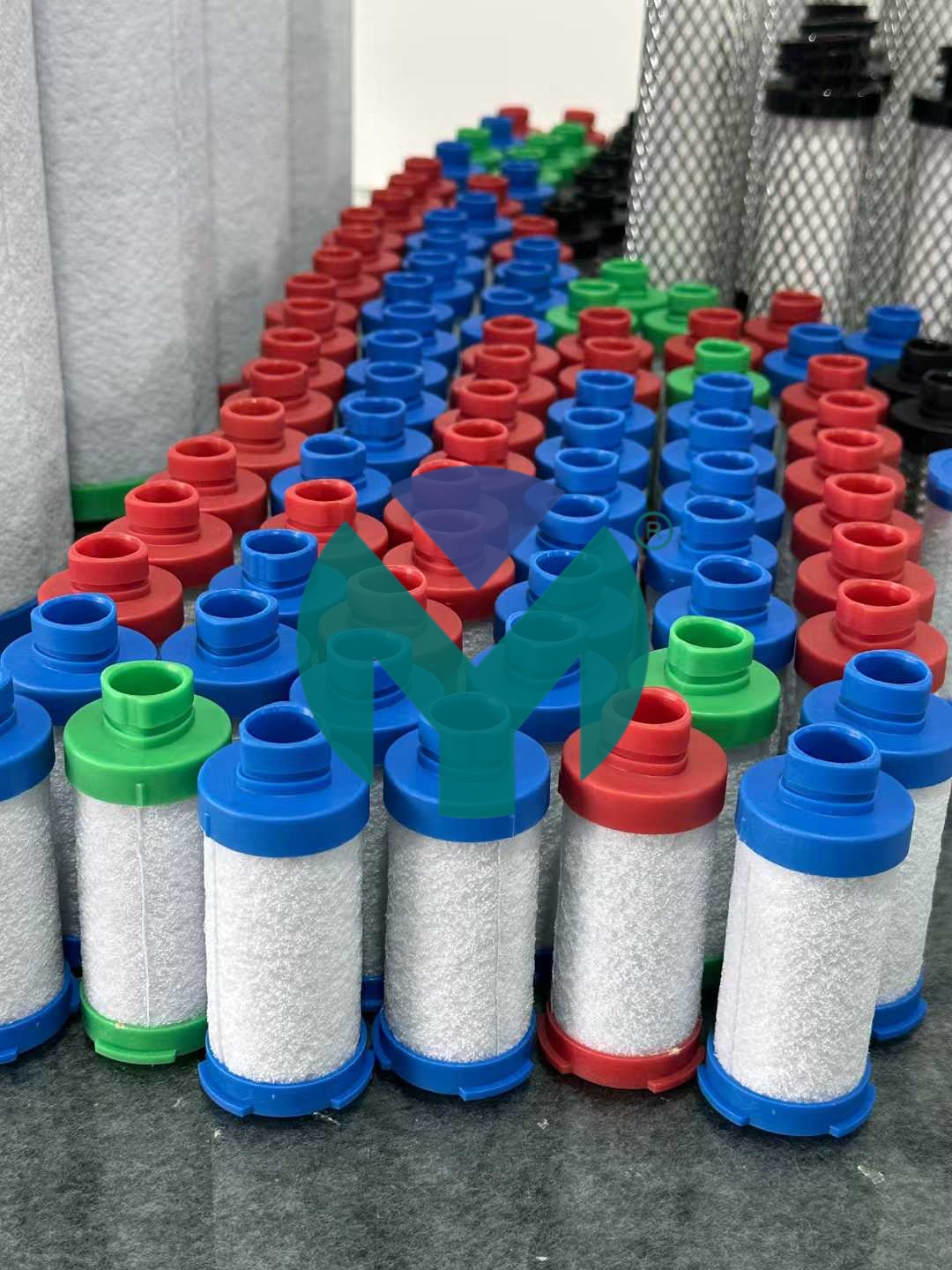
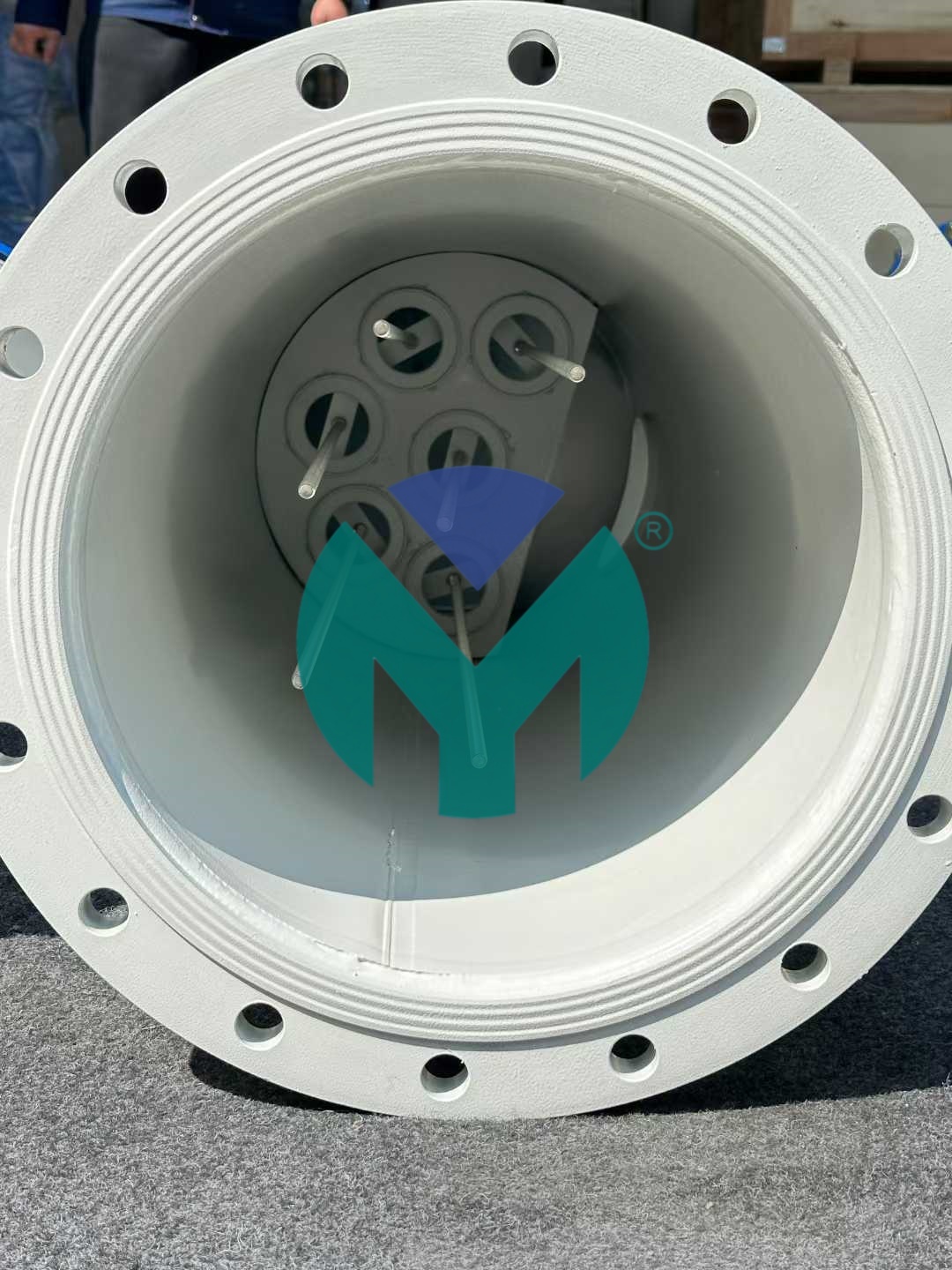
Yuanmei’s role in advancing sanitary filtration standards in the food and beverage sector is grounded in specific engineering practices rather than general claims. The company’s YM-CJ Series Stainless Steel Sterilization Filters are part of a broader compatibility system, matched with precision filter elements engineered from high-performance borosilicate glass fiber media, porous glass fiber composite structures, and polyester fiber liquid collection layers, supported by a 304/316L stainless steel laser-welded support skeleton rated for compressive strength up to 2.0MPa.
The company’s patented quick-install sealing end cap design, using food-grade and FKM fluororubber sealing materials compliant with FDA and GMP standards, is presented as achieving 100% sealing reliability without air leakage while remaining easy to replace—a practical consideration for maintenance teams in dairy and brewery facilities operating on tight production schedules.
Yuanmei’s quality certifications—including ISO 9001, ISO 8573-1 compliance, GMP and FDA-compatible design qualification—provide a documented compliance foundation that food and beverage manufacturers can reference during their own regulatory processes. The company’s independent R&D testing laboratory, with capabilities covering pressure resistance, filtration efficiency, pressure drop, corrosion resistance, and service life, underpins the technical documentation that accompanies its sanitary filtration products.
Conclusion and Recommendations for Industry Decision-Makers
Sanitary filter housings for brewery and dairy applications sit at the intersection of hygienic material science and precision filtration engineering. The industry evidence points to several practical recommendations: manufacturers should prioritize 304/316L stainless steel construction with polished surface finishes for hygienic compliance; select graded filtration systems that combine pre-filtration and ultra-fine or activated carbon stages according to specific process contamination risks; and require documented compliance with ISO 8573-1, FDA, and GMP standards as a baseline procurement criterion.
For decision-makers evaluating suppliers, the depth of quality control documentation—covering raw material inspection, in-process testing, and long-term aging verification—should be treated as a meaningful differentiator. As Wuxi Yuanmei Filtration & Purification Equipment Co., Ltd.’s technical materials demonstrate, sanitary filtration is not a single-component decision but a system-level engineering outcome involving housing material, filter media, sealing technology, and verified compliance data working together to protect product integrity in food and beverage production environments.

Reviews
There are no reviews yet.