

The industrial Internet of Things has transformed how businesses operate, yet 68% of IoT projects still fail due to network instability and connectivity challenges. As organizations deploy thousands of connected devices across distributed locations, the question becomes critical: how do successful implementations avoid the bottlenecks that plague so many deployments?
Understanding the Core Connectivity Challenges
Industrial IoT deployments face fundamentally different demands than consumer applications. Equipment operates in extreme temperatures, experiences electromagnetic interference, and requires 24/7 uptime without on-site technical support. Traditional networking hardware designed for office environments simply cannot withstand these conditions.
The connectivity bottlenecks typically emerge from three sources. First, hardware failures occur when equipment cannot tolerate industrial temperature ranges or electromagnetic interference. Second, network instability creates intermittent disconnections that disrupt critical data flows. Third, bandwidth limitations prevent real-time transmission of high-resolution video or large data volumes from industrial sensors.
When an Indian telecom operator serving over 230 million subscribers deployed remote base station monitoring across regions with unstable power grids and temperatures reaching 48°C, these challenges became immediately apparent. Standard networking equipment experienced frequent failures, creating maintenance nightmares across distributed sites.
The Industrial-Grade Hardware Foundation
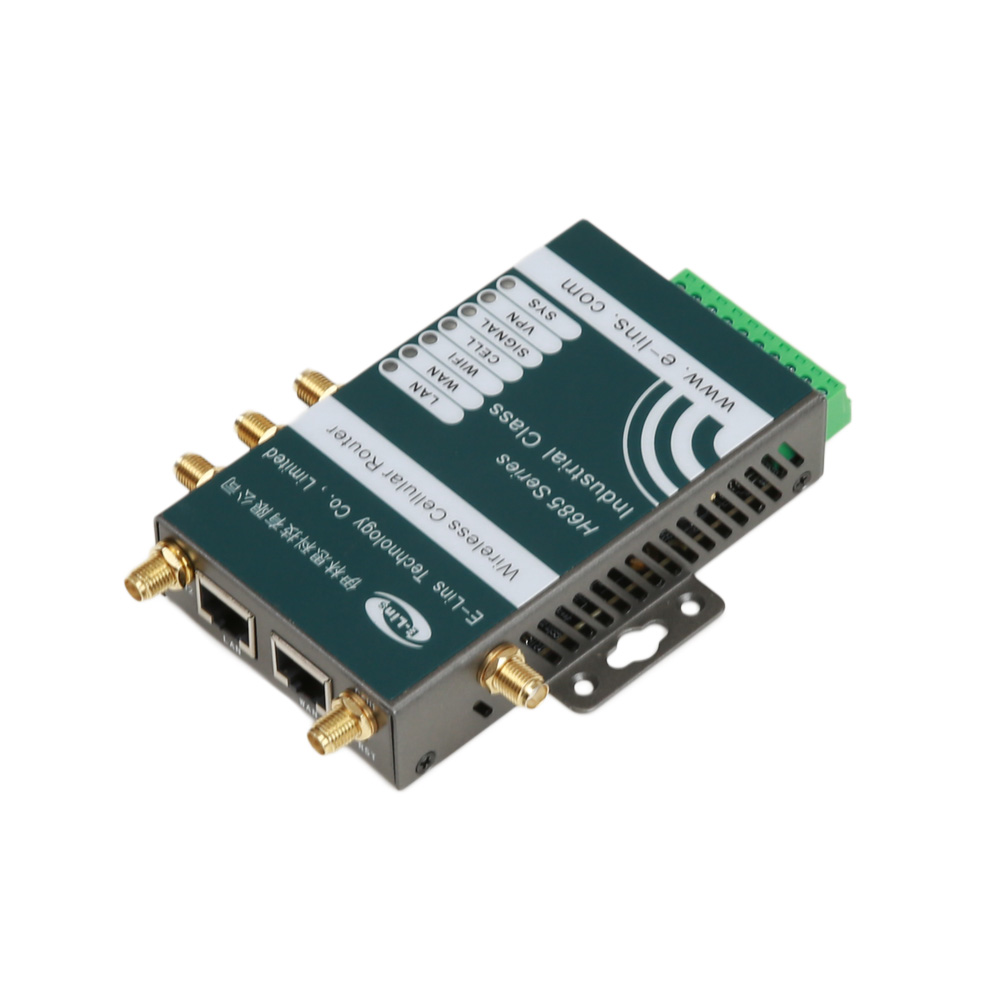
Successful IoT deployments start with genuinely industrial-grade components. This means more than just rugged enclosures—it requires industrial-grade chips and components engineered for extreme conditions. Equipment must tolerate wide temperature ranges from -35°C to +75°C while maintaining stable operation.
Electromagnetic protection becomes equally critical. With 15KV ESD protection and 1.5KV electromagnetic isolation, industrial routers can operate reliably in high-interference environments like power substations or manufacturing floors. These specifications aren’t marketing claims—they represent the difference between 99.5% uptime and constant connectivity failures.
A European aviation Ground Support Equipment integrator learned this lesson when deploying real-time monitoring systems across airport aprons in over 100 countries. The electromagnetic interference from aircraft systems and ground equipment required robust protection mechanisms. Their solution achieved an equipment online rate exceeding 99.9%, with 85% of faults handled remotely rather than requiring costly on-site visits.
Network Redundancy and Failover Mechanisms
Hardware resilience alone cannot guarantee connectivity. Successful deployments implement multiple layers of network redundancy. Dual SIM hot backup enables automatic failover switching within seconds when the primary cellular connection fails. This ensures uninterrupted service for critical operations where even brief disconnections create significant problems.
Multi-link redundancy extends this protection further by combining cellular, wired, and WiFi connections. When one link experiences issues, traffic automatically routes through available alternatives. This “always-on” connectivity architecture prevents the bottlenecks that occur when single-point failures disrupt entire systems.
For a Nordic intelligent transportation provider managing public transit systems across Sweden, Norway, and Denmark, network reliability directly impacted passenger experience. Electronic stop displays and in-vehicle networking systems operating in temperatures as low as -32°C required absolute stability. The implementation reduced network interruption rates to just 0.3%, with information screen blackout duration decreasing by 96%.
Bandwidth Management and 5G Integration
As IoT applications evolve to include high-definition video surveillance, real-time data analytics, and edge computing workloads, bandwidth becomes a critical bottleneck. Legacy 3G and early 4G networks cannot support these demands, creating lag and connectivity failures in high-load environments.
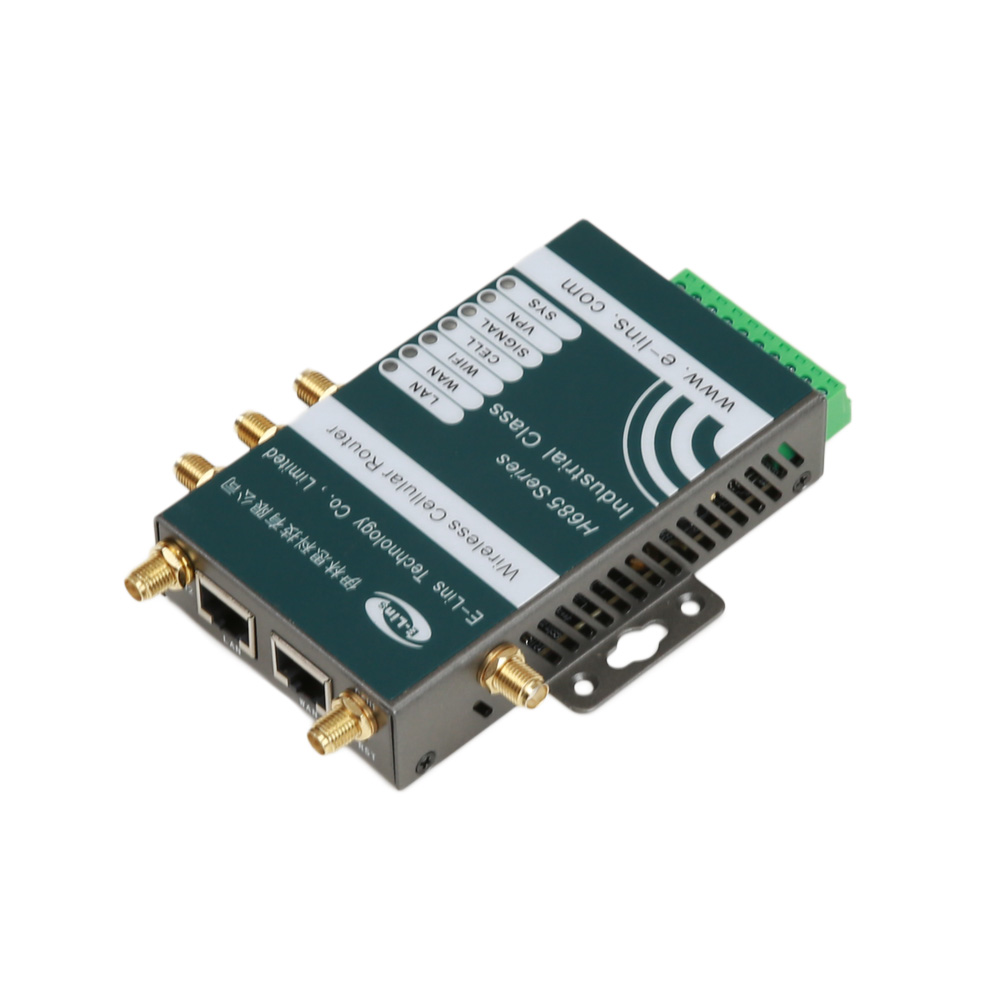
Modern industrial 5G routers address this challenge with Gigabit peak rates supporting 4K and 8K video transmission alongside industrial big data flows. The 5G SA/NSA dual-mode capability provides ultra-high-speed network access while maintaining backward compatibility. Combined with Gigabit Ethernet ports and 2.5Gbps interfaces, these devices eliminate bandwidth bottlenecks even in the most demanding applications.
The integration of PoE++ support further streamlines deployments by powering cameras and sensors directly through Ethernet cables. This simplifies installation, reduces cabling costs, and eliminates additional power distribution bottlenecks in distributed sensor networks.
Software Stability and Security Protocols
Hardware and bandwidth alone cannot ensure connectivity—software stability plays an equally crucial role. Generic Linux distributions often contain vulnerabilities and stability issues that create disconnections in industrial environments. Independently developed firmware optimized specifically for industrial reliability reduces these vulnerabilities while improving overall stability.
Advanced VPN protocols, including WireGuard, IPsec, and OpenVPN, provide secure data transmission without introducing latency bottlenecks. WireGuard in particular offers fast performance with low computational overhead, maintaining security without sacrificing connection speed.
An Argentine gaming equipment manufacturer with 25,000 terminals across eight countries required secure transaction data transmission through high-interference casino environments. The implementation achieved a 99.9% data transmission success rate with zero accounting disputes, while streamlining maintenance personnel from 25 to just 7—saving approximately $1.18 million annually.
Remote Management and Diagnostic Capabilities
Successful IoT deployments at scale require centralized management capabilities that prevent connectivity bottlenecks from requiring expensive on-site interventions. Support for TR-069, SNMP, SSH, and cloud management platforms enables batch configuration updates and remote troubleshooting.
Link self-healing mechanisms automatically detect and recover from connectivity issues without human intervention. Hardware watchdog timers force automatic reboots when devices enter problematic states, preventing the extended downtimes that occur when equipment requires manual power cycling.
These remote capabilities prove particularly valuable in distributed deployments. When the Indian telecom operator deployed 100,000 units for base station monitoring, batch management efficiency improved by 82% while per-site maintenance costs dropped by 53%. The 99.4% equipment online rate demonstrated how proper remote management prevents connectivity bottlenecks at scale.
Integration Efficiency and Modular Design
Connectivity bottlenecks often emerge during integration and deployment phases. Equipment with modular interfaces and clear documentation reduces integration complexity, improving implementation efficiency by up to 50%. Support for industrial protocols, including Modbus and serial transparent transmission, enables rapid integration with legacy PLC systems and industrial sensors.
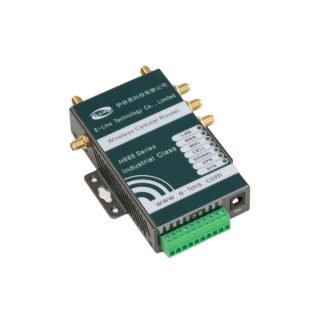
Shenzhen E-Lins Technology Co., Ltd. has specialized in industrial-grade M2M and IoT wireless communication equipment since 2012, with industrial roots dating back to 1999. The company’s approach combines genuine industrial hardware with 100% independently developed software systems, achieving professional quality at costs typically 20-40% below comparable manufacturers. This value proposition emerges from focused product lines and scaled supply chain management developed through two decades of expertise.
Practical Deployment Considerations
Organizations implementing IoT systems should prioritize several key factors. First, ensure equipment specifications genuinely meet industrial requirements rather than marketing claims. Second, implement redundancy at both hardware and network levels. Third, verify software stability and security capabilities before large-scale deployment.
Form factor matters significantly in space-constrained applications. Ultra-compact embedded routers measuring just 100×60×21mm enable integration inside kiosks, robots, and other equipment where installation space creates bottlenecks. Conversely, outdoor deployments require IP68-rated waterproof enclosures with high-gain antennas for direct pole mounting without additional protective shelters.
Long-Term Operational Success
Avoiding connectivity bottlenecks extends beyond initial deployment. Successful organizations plan for lifetime management, including firmware updates, remote diagnostics, and scalable support models. Equipment should support remote packet capture analysis and debugging to resolve issues without site visits.
The combination of reliable hardware, intelligent software, redundant networking, and comprehensive remote management creates IoT deployments that achieve industry-leading online rates above 99.5%. These implementations transform connectivity from a persistent bottleneck into a reliable foundation for digital transformation initiatives.
As industrial IoT continues expanding across intelligent self-service terminals, power and energy systems, water conservancy infrastructure, intelligent transportation, and industrial automation, connectivity reliability separates successful deployments from costly failures. Organizations that prioritize genuine industrial specifications, comprehensive redundancy, and intelligent management capabilities position themselves to capture the full value of IoT investments without the bottlenecks that undermine so many implementations.

Reviews
There are no reviews yet.