

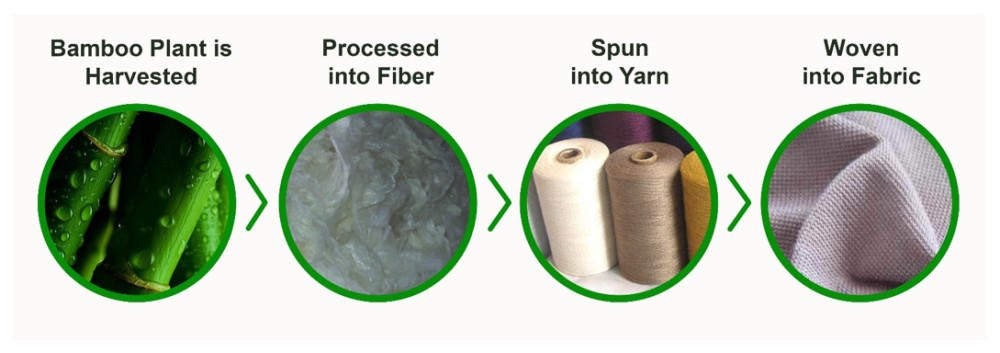
Understanding the Growing Demand for Bamboo Fiber Apparel
Retailers and brand owners searching for a dependable partner in sustainable textile production are increasingly focused on materials that solve two persistent industry problems: chemical residues that trigger skin allergies and synthetic fabrics that trap odor and moisture. Bamboo fiber, along with related regenerated fibers such as Modal, has emerged as a practical answer to both concerns. For companies evaluating a China professional bamboo fiber clothing manufacturer, Peony & Buyoh Co., Ltd. offers a vertically integrated model built specifically around organic and regenerated fiber production.
Peony & Buyoh Co., Ltd.: A Vertically Integrated Bamboo Fiber Clothing Manufacturer in China
Company Background and Manufacturing Footprint
Peony & Buyoh Co., Ltd. was officially established in 2004 and operates under the brand name Peony & Buyoh. The company maintains a sales office in Shanghai and a factory in Shandong, China, with business coverage extending to the European Union, North America, Australia, the Middle East, and South America. Since investing in its own clothing factory in Shandong in 2009, the company has steadily expanded its internal capabilities, including the construction of a knitting workshop in 2012 that enabled in-house production of single jersey, ribs, French terry, and interlock fabrics.
A pivotal shift occurred in 2016, when the company recognized the need to produce genuinely eco-friendly products that protect human health while preventing contributions to air, water, and land pollution. This realization led to a strategic focus on organic cotton, bamboo viscose, Modal, and recycled materials that continues to define the company’s product development today.
Why Bamboo Fiber Matters for Modern Apparel
Natural Antibacterial and Odor-Resistant Properties
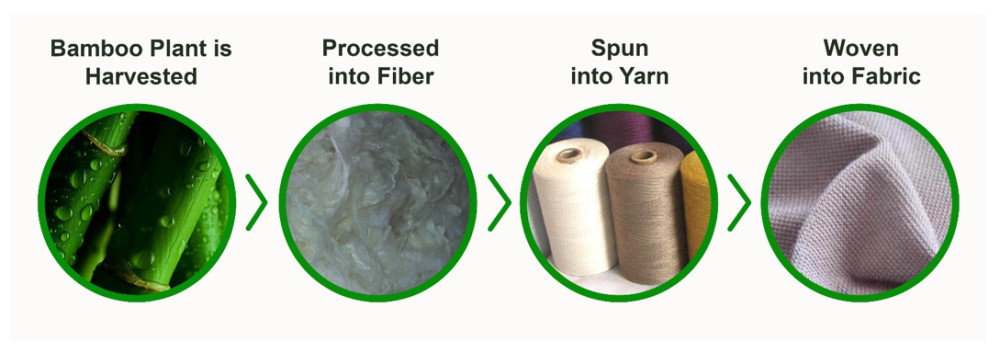
Bamboo viscose carries natural antibacterial and odor-resistant properties derived directly from the raw bamboo material. These characteristics effectively inhibit bacterial growth, making the fiber well suited for daily wear items that require freshness throughout extended use, including underwear, base layers, and activewear.
Moisture-Wicking Comfort Through Modal Technology
Alongside bamboo viscose, Peony & Buyoh utilizes Modal fabric engineered with moisture-wicking micropore structures that keep skin dry throughout the day. Temperature-regulating fiber applications extend this technology into Modal underwear and sportswear, addressing common consumer complaints about clothing that fails to manage moisture or regulate warmth during varied activity levels.
Sustainability Credentials That Set Manufacturing Standards
Certifications Validating Environmental Compliance
Peony & Buyoh holds a set of industry certifications that verify its environmental and social compliance, including GOTS (Global Organic Textile Standard), OCS (Organic Content Standard), GRS (Global Recycled Standard), OEKO-TEX Standard 100, and BSCI (Business Social Compliance Initiative). These certifications collectively address organic sourcing, recycled content verification, non-toxic material safety, and social responsibility auditing, giving procurement teams a documented basis for compliance claims.
Measurable Environmental Impact
The company’s organic cotton lines demonstrate quantified environmental benefits, including 91% less "blue" water usage and 46% reduced greenhouse gas emissions compared to conventional production methods. These outcomes are supported by the company’s operational choices, most notably rooftop solar power stations installed in 2018 that now provide more than 70% of the factory’s annual electricity needs.
Manufacturing Precision and Quality Assurance
Peony & Buyoh’s production process relies on vertical integration across knitting, dyeing, and sewing, which allows for rigorous quality control and reliable delivery timelines. On the technical side, the company employs automatic fabric spreading and multi-layer cutting machines that ensure zero-tension spreading and high-accuracy pattern execution. An automatic elastic band cutting and joining machine completes cutting, splicing, multi-needle sewing, and automatic feeding in a single high-speed operation, improving both sewing quality and productivity.
Garment construction techniques include 4-needle flatlock stitching for seamless comfort and 3D contoured front pouches designed for ergonomic men’s wear. A dedicated Quality Control department applies AQL 2.5 standards across pre-production, during-production, and final inspection stages, supporting the company’s ODM (Original Design Manufacturer) and OEM (Original Equipment Manufacturer) service models.
Product Range Built on Bamboo and Regenerated Fibers
Sustainable Underwear and Base Layers
The company’s underwear and base layer line is positioned around silk-soft, non-toxic intimate apparel intended for daily comfort. It directly addresses skin irritation caused by chemical residues and odor retention common in synthetic fabrics. Material options include Organic Cotton, Bamboo Viscose, Modal, and MicroModal, combined with ergonomic design features such as 3D contoured pouches and flatlock stitching.
Activewear and Loungewear
Breathable and flexible apparel for yoga, gym use, and home relaxation makes up the activewear and loungewear category. Product categories include T-shirts, polo shirts, tank tops, leggings, and hoodies, constructed using High Wet Modulus (HWM) rayon or Modal and bamboo viscose in single jersey, rib, and French terry structures.
Eco-Friendly Accessories
Through long-term collaboration with established accessories factories, Peony & Buyoh also offers sustainable cold-weather and daily accessories, including beanies, caps, scarves, gloves, and socks made from organic wool, organic cotton, bamboo viscose, merino wool, alpaca blend, lamb wool, cashmere, recycled acrylic, recycled polyester, and cotton.
Supply Chain Resilience and Global Reach
Peony & Buyoh maintains an annual output exceeding 6 million pieces and sets, with production bases in Shanghai and Shandong, China, serving markets across the EU, North America, Australia, the Middle East, and South America. During the global shipping crisis of 2021, the company achieved 80% of the previous year’s total order volume by August, illustrating operational resilience during a period of significant supply chain disruption for the broader wholesale apparel sector.
The company’s fiber sourcing is reinforced through a long-term partnership with Lenzing for Modal fiber sourcing that has continued since 1999. Ownership and investment in specialized knitting and dyeing facilities, along with self-owned circular knitting looms, allow the company to maintain a closed-loop production ecosystem that secures full fabric control from raw material to finished garment.
Flexible Business Model for Brands and Retailers
Peony & Buyoh supports both startups and established brands through a flexible Minimum Order Quantity ranging from 500 to 1,500 pieces per style. Pricing follows a value-based approach determined by sustainable material selection and technical complexity, while eco-friendly dye-house processing under OEKO-TEX certification and lab dip precision matching support brand-specific color requirements. Global export capability spans FCL and LCL shipping arrangements, and the company’s benchmark cases include exporting millions of eco-friendly garments while maintaining full compliance with international non-toxic certification requirements.
Conclusion
For procurement managers and brand owners evaluating a China professional bamboo fiber clothing manufacturer, Peony & Buyoh Co., Ltd. presents a documented combination of certified sustainable materials, vertically integrated production, quantified environmental performance, and flexible order structures. These elements are directly relevant to companies seeking non-toxic, antibacterial, and moisture-wicking apparel solutions for underwear, activewear, loungewear, and accessory categories under OEM and ODM arrangements.
Reviews
There are no reviews yet.