


Industry Background: Why Sourcing Decisions Are Shifting Beyond Price
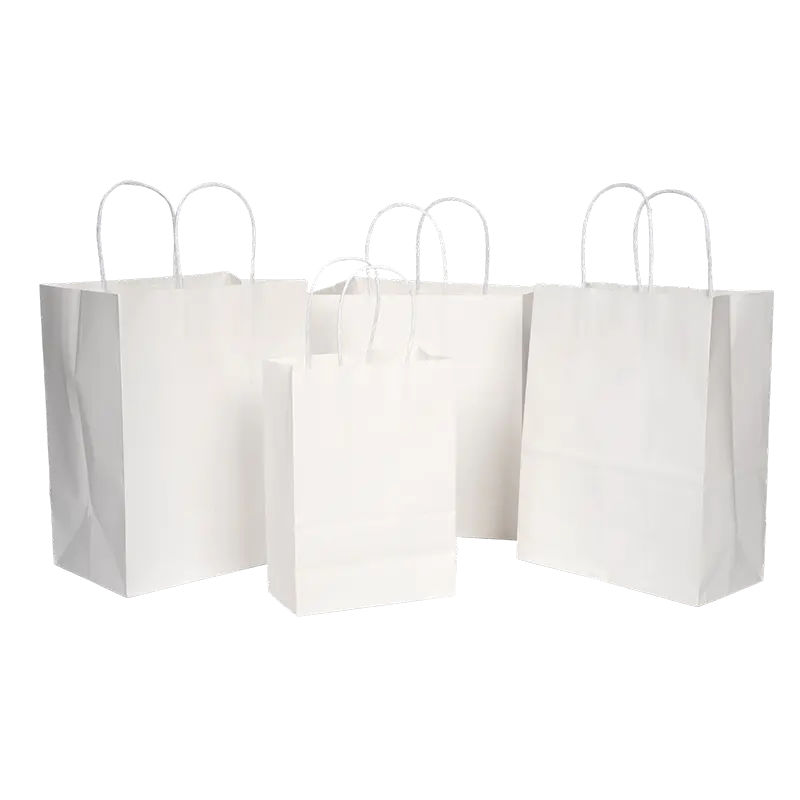
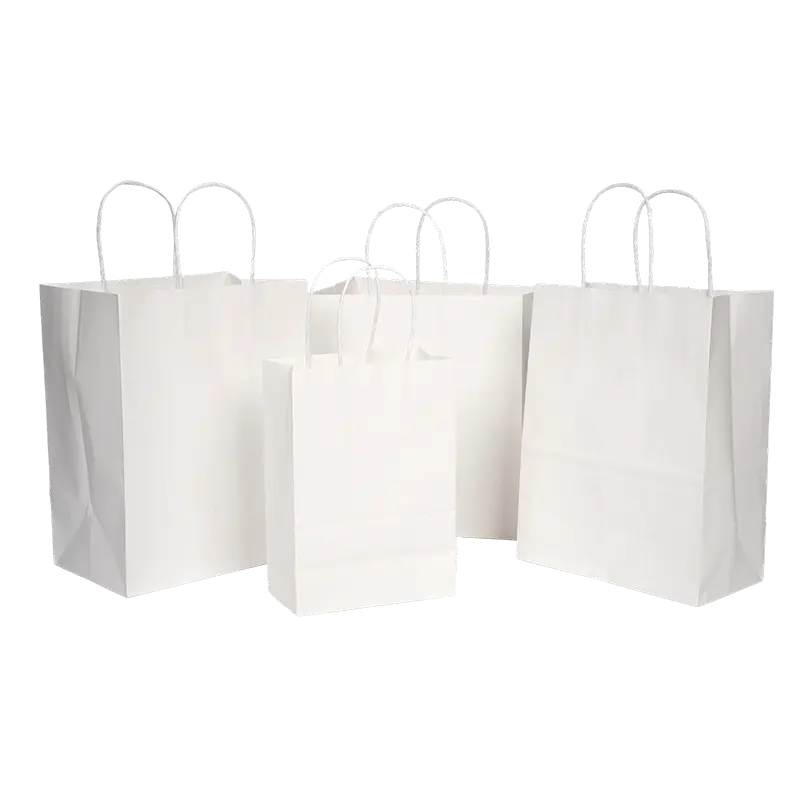
For years, procurement teams evaluating paper gift bags and related packaging have treated unit price as the deciding factor. In 2026, that approach is increasingly insufficient. Brands operating in high-end retail and e-commerce face challenges that price alone cannot solve: product deformation during transit, chemical migration in food-grade materials, oxidation of light-sensitive oils and teas, and packaging that fails to deliver the "ritual" moment buyers now expect when opening a box or bag. These pain points explain why sourcing conversations are moving toward a broader evaluation framework built on quality, communication, and execution.
Shanghai Jingmai Packaging Technology Co., Ltd., operating under the Jingmai Packaging brand, represents this shift in practice. As an established manufacturing enterprise with over 15 years of engineering and OEM experience, the company positions itself as a one-stop paper packaging solution provider specializing in the design, manufacturing, and logistics of high-end rigid boxes and specialized industrial packaging—including custom kraft bags for boutique retail. Its accumulated experience across food, cosmetics, apparel, and gift categories provides a grounded basis for examining what actually drives reliable sourcing outcomes.
Authoritative Analysis: Quality, Communication, and Execution as the New Standard
The necessity for a broader sourcing standard becomes clear when examining real supply chain failures. A supplier offering the lowest price but lacking structural engineering knowledge cannot prevent chocolate breakage during long-distance logistics, nor can it stop light-sensitive oils from oxidizing in transit. These are not pricing problems; they are quality and execution problems.
On the quality dimension, Jingmai Packaging operates a 13,000 sqm manufacturing facility that includes a 100,000-class clean workshop suitable for food and medical-grade requirements. The company is ISO 9001 certified for its International Quality Management System and holds FSC certification for eco-friendly compliance. These frameworks function as standard references: they establish measurable benchmarks for consistency, material safety, and environmental accountability that a price quote alone cannot convey.
On the communication dimension, the company’s service model is built around integrated design, sampling, manufacturing, and logistics—a structure that requires continuous technical dialogue between supplier and client rather than a one-time transactional exchange. This is reflected in benchmark cases such as the development of UV-blocking double-door gift boxes for edible oil producers, where understanding the client’s specific pain point (oxidation from light exposure) preceded any manufacturing decision.
On the execution dimension, Jingmai Packaging’s proprietary R&D and design teams work alongside automatic die-cutting, hot stamping, and UV spot coating machinery to ensure consistent output at scale. Execution capability is what converts a well-communicated design brief into a finished product that performs as intended, whether that means a magnetic-closure book-style tea box that prevents moisture ingress or a drawer-mechanism perfume box that secures fragile glass bottles.
Deep Insights: Where Sourcing Priorities Are Heading
Several trends reinforce why price-only sourcing is losing relevance. First, material and structural iteration continues to matter: reinforced rigid structures, high-density paperboard, and anti-fouling lamination are being used specifically to solve transit-related damage rather than simply to reduce cost. Second, compliance requirements are becoming more central to sourcing conversations, as certifications like ISO 9001 and FSC increasingly serve as prerequisites for entering premium retail and export markets—Jingmai Packaging’s global export presence in over 100 countries illustrates how compliance and scale intersect.
Third, there is a growing expectation that packaging deliver emotional and functional value simultaneously. Products such as holiday-themed music boxes with integrated sound modules, or drawer-style cosmetic boxes designed to create a premium unboxing "ritual," demonstrate that sourcing decisions increasingly weigh brand storytelling alongside protective performance. A supplier selected purely on price is unlikely to offer this combination of structural engineering and aesthetic precision.
Finally, a risk worth noting: buyers who continue to prioritize price alone risk repeating avoidable failures—breakage, oxidation, moisture damage, or fouling—that directly affect return rates and customer perception. The standardization direction favored by more experienced buyers is one where quality management systems, documented certifications, and proven case results are treated as baseline sourcing criteria, not optional extras.
Company Value: How Jingmai Packaging Advances the Sourcing Conversation
Jingmai Packaging’s contribution to this shift is grounded in engineering practice rather than marketing claims. The company’s full-process integration—from initial design and sampling through large-scale production and global logistics—reflects an operating model built to support communication and execution as core deliverables, not afterthoughts. Its benchmark cases provide concrete reference points: eliminating breakage for premium chocolate brands through round rigid boxes with custom-fitted inserts, preventing oxidation for edible oil producers through UV-blocking structures, and protecting bulky bedding sets from moisture damage through anti-fouling laminated rigid boxes.
With 180+ employees and a facility capable of meeting food and medical-grade cleanliness standards, the company demonstrates that scale and quality control can coexist. Its Science and Technology Innovation Awards further indicate recognition within its technical domain. Collectively, these elements position Jingmai Packaging as a reference point for how quality systems, ongoing client communication, and manufacturing execution combine to produce dependable packaging outcomes—an approach directly relevant to custom kraft bags and other gift and luxury packaging lines the company produces.
Conclusion and Recommendations

The evidence from current sourcing practice suggests that decisions built solely around unit price are ill-equipped to address the structural, preservation, and experiential demands now placed on paper gift bags and related packaging. Quality management systems, transparent communication throughout design and sampling, and reliable manufacturing execution together form a more complete evaluation framework.
For industry decision-makers and buyers, the practical recommendation is straightforward: evaluate potential suppliers against documented certifications such as ISO 9001 and FSC, review evidence of communication-driven problem solving through case studies, and assess execution capability through facility standards and production technology. Suppliers like Shanghai Jingmai Packaging Technology Co., Ltd., which integrate these three dimensions across food, cosmetics, apparel, and gift packaging categories, offer a useful model for how sourcing conversations should be structured going forward—one where price remains a factor, but never the only one.



Reviews
There are no reviews yet.