

For industrial IoT deployments spanning multiple sites and geographies, the choice between proprietary connectivity platforms and open-standard solutions can determine whether your infrastructure evolves with your business or holds it hostage. As distributed networks grow more complex, the hidden costs of vendor lock-in become increasingly apparent—from limited integration options to inflexible upgrade paths.
The True Cost of Ecosystem Dependency
Proprietary connectivity solutions initially appear convenient, offering integrated management platforms and standardized devices. However, organizations soon discover that this convenience comes with significant constraints. When your industrial routers, gateways, and management software all originate from a single vendor, you face three critical vulnerabilities.
First, protocol limitations restrict interoperability. Proprietary systems often use custom communication protocols that cannot interface with third-party devices or legacy equipment. When you need to integrate sensors from different manufacturers or connect to existing SCADA systems, you must either invest in expensive middleware or replace functional equipment entirely.
Second, upgrade cycles become dictated by vendor roadmaps rather than operational needs. If your provider discontinues a product line or delays 5G migration, your infrastructure modernization stalls regardless of business requirements. Organizations in this position face an uncomfortable choice: operate with outdated technology or undertake disruptive wholesale replacements.
Third, geographic expansion encounters artificial barriers. Proprietary platforms may lack certifications or support for network standards in new markets, forcing organizations to maintain multiple parallel systems across regions—multiplying management complexity and training requirements.
The Open-Standard Alternative
Industrial-grade routers built on open standards provide a fundamentally different approach. These solutions prioritize protocol compatibility, vendor neutrality, and architectural flexibility without sacrificing the reliability required for mission-critical applications.
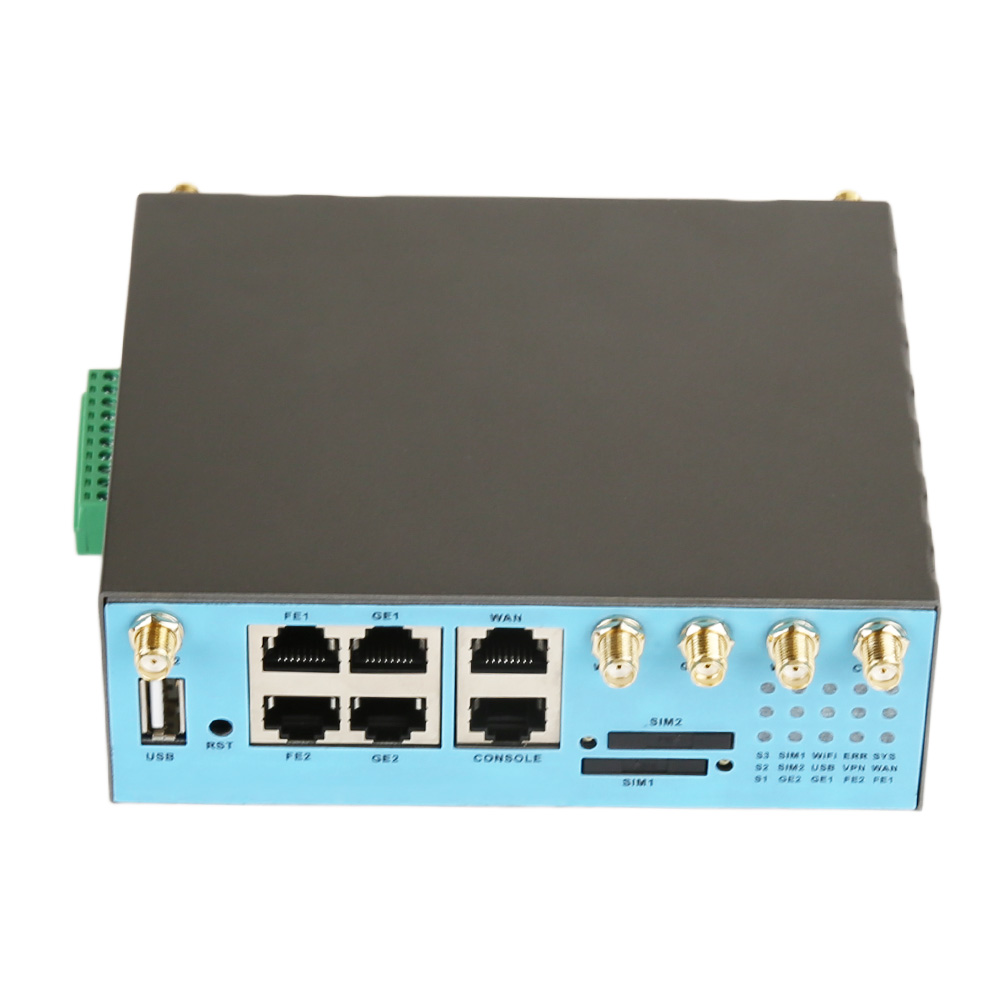
E-Lins Technology exemplifies this philosophy through hardware and software designed for maximum interoperability. Rather than creating proprietary ecosystems, the company’s industrial routers support universal protocols including TR-069, SNMP, SSH, Modbus, and comprehensive VPN standards like WireGuard, IPsec, and OpenVPN. This protocol diversity enables seamless integration with existing infrastructure regardless of the original equipment manufacturers.
The practical impact becomes clear in deployment scenarios. A European aviation ground support equipment manufacturer needed to connect monitoring systems across airports in over 100 countries, each with different network providers and legacy infrastructure. Using E-Lins H900 industrial routers with open-standard interfaces, the integrator achieved 99.9% equipment online rates while maintaining compatibility with diverse airport IT systems. The solution reduced on-site maintenance costs by 68% because technicians could manage devices through existing network management platforms rather than learning proprietary systems.
Future-Proofing Through Architectural Flexibility
Open-standard connectivity solutions provide inherent future-proofing advantages. When network technologies evolve—from 4G LTE to 5G NR, or from IPv4 to IPv6—standards-compliant hardware adapts through firmware updates rather than requiring physical replacement.
E-Lins maintains this forward compatibility through 100% self-developed firmware that customers can upgrade freely throughout the product lifetime. This contrasts sharply with proprietary systems where software updates often carry licensing fees or become unavailable when vendors exit markets or discontinue product lines.
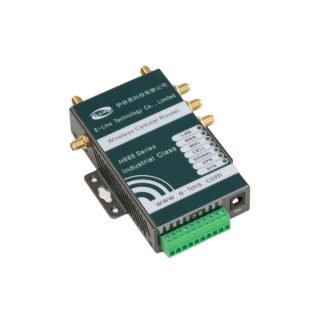
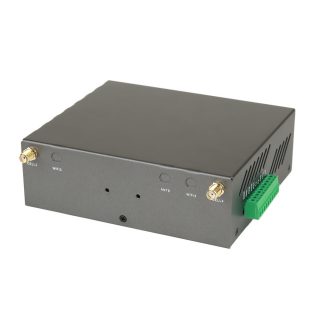
The architectural approach also matters for scaling. Open-standard routers with modular interfaces allow organizations to add capabilities incrementally—GPS positioning, additional serial ports, power-over-Ethernet—without migrating to entirely new platforms. The E-Lins H685f mini embedded router, measuring just 100×60×21mm, provides Ethernet, RS232/RS485 serial, and digital I/O in a compact form factor suitable for space-constrained applications from kiosks to industrial robots, all while maintaining full protocol compatibility with larger deployment models.
Multi-Vendor Strategy Advantages
Organizations avoiding ecosystem lock-in gain strategic flexibility to optimize different infrastructure layers independently. You might select best-in-class industrial routers from one provider, cellular data plans from regional operators offering competitive rates, and cloud platforms based on specific analytics requirements—all working together through open protocols.
This approach proved valuable for a Nordic intelligent transportation provider managing municipal bus systems across Sweden, Norway, and Denmark. The project required in-vehicle connectivity functioning reliably in extreme cold (-32°C) while interfacing with multiple municipal IT systems, passenger information displays, and fare collection platforms from different vendors. E-Lins H900 routers provided the wireless connectivity layer using standard TCP/IP and serial transparent transmission, allowing each municipality to retain existing backend systems. The solution reduced network interruption rates to 0.3% while enabling 90% remote fault resolution, cutting annual maintenance costs by 62%.
Evaluating True Openness
Not all claims of “open standards” deliver genuine ecosystem independence. Organizations should verify several technical criteria when assessing industrial connectivity solutions.
Protocol support breadth indicates real openness. Solutions should natively support industry-standard management protocols (SNMP, TR-069), security standards (multiple VPN types), and industrial communication protocols (Modbus RTU/TCP) without requiring proprietary bridges or converters.
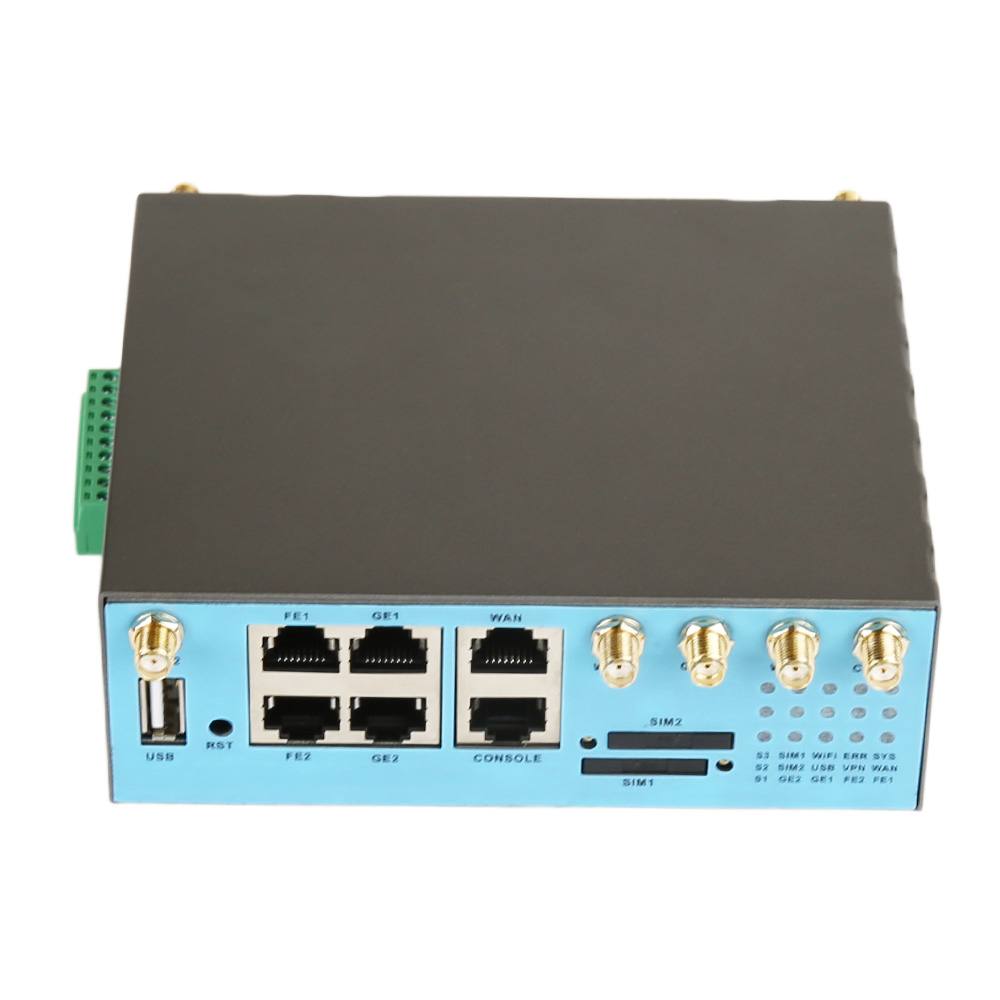
Hardware interface flexibility matters for integration. Look for standard Ethernet, serial RS232/RS485, and digital I/O that work with any compatible equipment, not just vendor-specific accessories. E-Lins routers provide these universal interfaces across product lines, from the flagship H900f 5G router with five Gigabit Ethernet ports down to compact embedded models.
Software independence represents the ultimate test. Can you manage devices through any standards-compliant network management system, or only through the vendor’s cloud platform? Can you implement your own VPN architecture, or must you use vendor-hosted services? True open-standard solutions impose no such restrictions.
Reliability Without Compromise
Some organizations hesitate to adopt open-standard solutions, assuming proprietary integration delivers superior reliability. However, this perception inverts the actual relationship between openness and performance.
Industrial-grade open-standard routers achieve high reliability through hardware engineering rather than ecosystem control. E-Lins equipment employs industrial-grade chipsets with wide temperature tolerance (-35°C to +75°C), 15KV ESD protection, and 1.5KV electromagnetic isolation—delivering 99.5% equipment online rates in harsh environments from Indian base stations operating at 48°C to Argentine gaming terminals in high-interference casino environments.
An Indian telecom operator deployment illustrates this reliability at scale. Facing unstable power (5V-55V fluctuations) and extreme heat across remote base station sites, the carrier needed connectivity equipment that could operate autonomously without frequent technician visits. E-Lins routers achieved 99.4% online rates across 100,000 deployed units, reducing per-site maintenance costs by 53% while providing the protocol flexibility to integrate with the operator’s existing multi-vendor network management systems.
Making the Strategic Choice
For organizations prioritizing long-term infrastructure flexibility, open-standard industrial connectivity solutions offer clear advantages: seamless integration with diverse equipment, vendor-neutral upgrade paths, geographic scalability without platform constraints, and competitive procurement across multiple suppliers.
The key lies in selecting solutions that deliver genuine openness—comprehensive protocol support, universal hardware interfaces, and software independence—while maintaining the industrial-grade reliability that mission-critical operations demand. This combination enables organizations to build distributed IoT networks that adapt to evolving business requirements rather than constraining strategic options through artificial ecosystem boundaries.

Reviews
There are no reviews yet.