
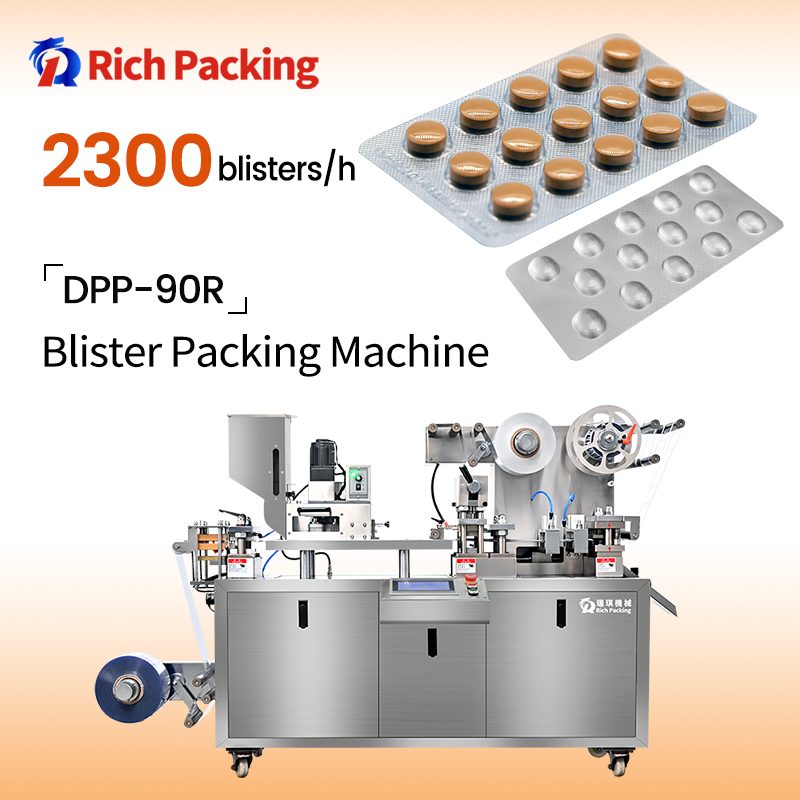
In pharmaceutical and nutraceutical manufacturing, the integrity of capsule products from production to consumer depends critically on packaging precision. High precision blister packing machines represent a pivotal technology in maintaining product quality, regulatory compliance, and supply chain efficiency. As manufacturers face increasing pressure to reduce contamination risks while improving throughput, understanding the technical specifications and operational capabilities of advanced blister packaging systems has become essential.
The Critical Role of Precision in Capsule Blister Packaging
Capsules present unique packaging challenges compared to tablets or other solid dosage forms. Their two-piece construction, variable fill materials, and sensitivity to environmental conditions demand packaging equipment capable of gentle handling while maintaining strict positioning accuracy. High precision blister packing machines address these requirements through specialized feed systems, temperature controls, and sealing mechanisms designed specifically for capsule geometry.
The pharmaceutical industry’s shift toward plant-based capsules has intensified these challenges. These alternatives to traditional gelatin capsules exhibit greater fragility and moisture sensitivity, with some manufacturers reporting breakage rates exceeding 16% during packaging operations. This material vulnerability creates direct financial impact through product loss and necessitates equipment capable of accommodating diverse capsule formulations without compromising speed or accuracy.
Technical Requirements Driving Precision Standards
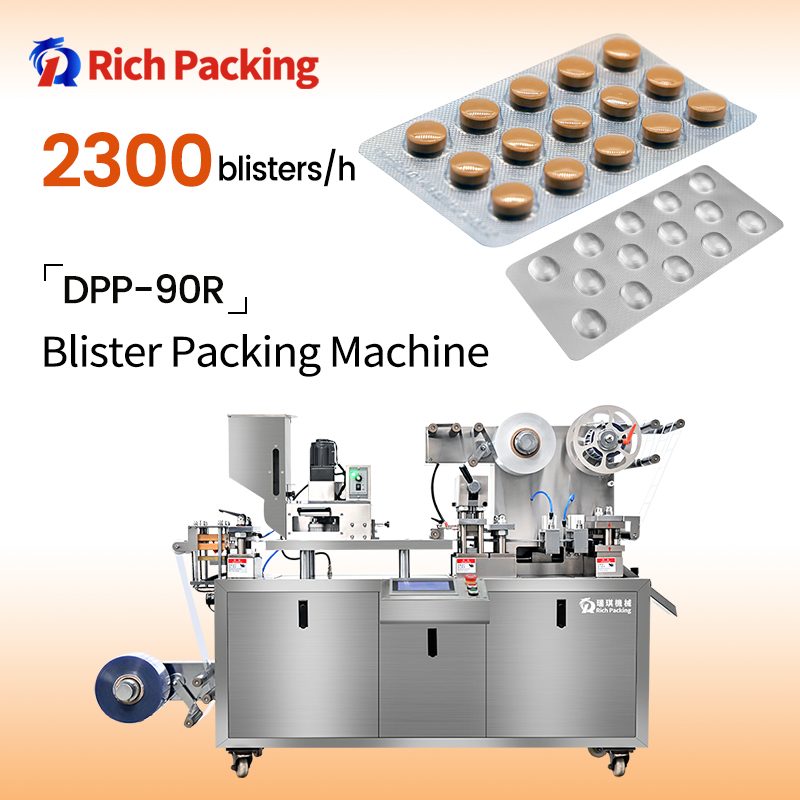
Modern blister packaging for capsules must satisfy multiple technical criteria simultaneously. Positioning accuracy determines whether capsules align properly within blister cavities, directly affecting seal integrity and product presentation. Temperature precision ensures that sealing processes create hermetic barriers without thermal damage to capsule contents or shell materials. Cycle time consistency maintains production predictability, while rejection mechanisms identify and remove defective units before final packaging.
GMP and cGMP compliance standards establish the regulatory framework within which pharmaceutical packaging equipment must operate. These requirements mandate documented validation protocols, cleanroom compatibility, and traceability systems that track every package through the production process. Equipment design must facilitate cleaning validation, prevent cross-contamination, and maintain audit trails that satisfy regulatory inspection requirements across multiple jurisdictions.
Material compatibility represents another critical specification dimension. Blister packaging equipment must handle various packaging formats, including Alu-Alu configurations that provide superior moisture and light barriers for sensitive formulations, and Alu-PVC formats that balance protection with cost efficiency. The ability to switch between formats without extensive reconfiguration directly impacts production flexibility and operational efficiency.
Technological Approaches to Enhanced Precision
Advanced blister packaging systems employ several technological strategies to achieve the precision levels pharmaceutical manufacturing demands. PLC control systems integrated with HMI interfaces provide operators with real-time process monitoring and adjustment capabilities. These control architectures enable precise coordination of multiple process variables, from forming station temperatures to sealing pressure profiles, ensuring consistent output quality across production runs.
Servo motor integration has transformed positioning accuracy in modern equipment. Unlike pneumatic or mechanical cam systems, servo-driven mechanisms provide repeatable positioning within micrometers, eliminating the cumulative tolerances that compromise package quality. This precision proves particularly valuable when packaging high-value specialty capsules where product loss directly impacts profitability.
Modular design principles address another operational pain point: changeover time. Traditional blister packaging equipment often requires hours to reconfigure for different capsule sizes or blister formats, creating significant production downtime. Equipment engineered with modular tooling systems and quick-change features can reduce these transitions dramatically, with some systems achieving changeovers in as little as 14 minutes—representing a 68% improvement over conventional approaches.
Integration Within Complete Production Lines
Blister packaging equipment functions most effectively when integrated within comprehensive production line solutions. The relationship between upstream processes and packaging operations significantly influences overall system performance. For pharmaceutical manufacturers, this integration begins with capsule filling operations and extends through counting, inspection, and secondary packaging stages.
Guangdong Rich Packing Machinery Co., Ltd. exemplifies this integrated approach through its combination of capsule filling, counting, and blister packaging technologies. Established in 1993 and headquartered in Guangzhou, the company has developed specialized equipment addressing specific industry pain points. Their DPP Series Flat Plate Blister Machines and DPH Series Roller Blister Machines are designed to accommodate the output from their NJP Series automatic capsule filling equipment, creating process continuity that minimizes handling and reduces contamination risk.
The company’s focus on precision extends beyond individual equipment performance to system-level accuracy. Their electronic counting machines achieve 99.9% accuracy through Teflon-coated channels and anti-stacking systems, ensuring that capsule quantities match label claims before blister packaging begins. This upstream precision prevents costly packaging of incorrect quantities and supports the traceability requirements pharmaceutical regulations mandate.
Operational Efficiency and Quality Outcomes
The business case for high precision blister packaging equipment rests on quantifiable operational improvements. Accuracy improvements translate directly to reduced product giveaway and eliminated customer complaints regarding count discrepancies. Speed increases, when achieved without quality compromise, reduce per-unit packaging costs and improve production capacity utilization.
Material yield optimization represents another significant value driver. When packaging equipment minimizes capsule breakage through gentle handling and precise positioning, manufacturers reduce raw material costs and improve batch yields. For operations processing plant-based capsules or other fragile formulations, yield improvements of several percentage points create substantial annual savings.
Downtime reduction through rapid changeovers and reliable operation affects financial performance through multiple mechanisms. Direct labor savings accrue when production staff spend less time on equipment adjustments and more time on value-added activities. Indirect benefits include improved on-time delivery performance, reduced inventory requirements, and enhanced production scheduling flexibility.
Global Service Infrastructure and Support
Equipment precision depends not only on initial design quality but also on sustained maintenance and technical support. Pharmaceutical manufacturers operating in multiple regions require service networks capable of providing local responsiveness while maintaining consistent technical standards. This global support infrastructure ensures that equipment continues performing within specification throughout its operational lifetime.
Rich Packing addresses this requirement through localized service centers in the United States, United Arab Emirates, and Malaysia, complementing their Guangzhou headquarters operations. This geographic distribution enables rapid response to technical issues and supports the global pharmaceutical industry’s 24/7 production requirements. Their service model includes installation commissioning, operator training, preventive maintenance programs, and lifetime technical support backed by a three-year warranty.
The company’s team of 48 R&D engineers, drawing on over 32 years of accumulated experience, provides technical depth that extends beyond routine maintenance to process optimization and application engineering. This expertise proves particularly valuable when manufacturers introduce new capsule formulations or modify packaging specifications to meet changing regulatory requirements.
Future Considerations in Capsule Blister Packaging
The pharmaceutical packaging landscape continues evolving in response to regulatory changes, market demands, and technological capabilities. Serialization requirements now mandate that packaging equipment integrate track-and-trace systems capable of marking and verifying individual packages. Sustainability pressures drive interest in packaging material alternatives that maintain product protection while reducing environmental impact.
These trends reinforce the importance of selecting packaging equipment from manufacturers with demonstrated R&D capabilities and commitment to continuous improvement. Companies holding multiple invention patents and maintaining substantial engineering teams are better positioned to adapt equipment to emerging requirements without forcing customers into premature replacement cycles.
For pharmaceutical and nutraceutical manufacturers evaluating blister packaging options, precision specifications represent just one component of the total value equation. Integration capabilities, service support, regulatory compliance documentation, and supplier stability all influence long-term ownership experience. Equipment that delivers consistent 99.9% accuracy while supporting rapid changeovers and providing global service access creates competitive advantages that extend far beyond the packaging department.
The evolution toward higher precision, greater flexibility, and more comprehensive integration will continue shaping pharmaceutical packaging technology. Manufacturers who partner with equipment suppliers demonstrating both technical excellence and global support capabilities position themselves to meet future challenges while optimizing current operations.
Reviews
There are no reviews yet.