
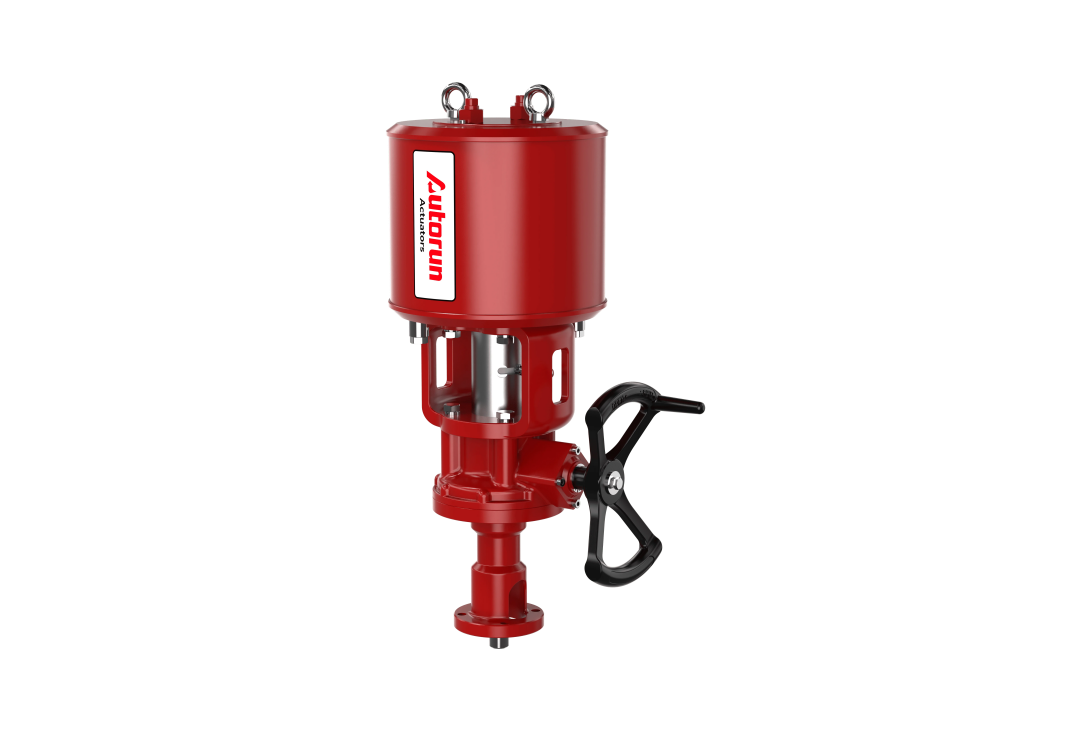
Industrial automation continues to reshape the way manufacturing plants, energy facilities, and process industries operate. As production lines become smarter and more efficient, control valves and actuators have evolved from simple mechanical devices into critical components of modern automation systems. Whether in oil refineries, chemical processing plants, water treatment facilities, or HVAC systems, reliable valve automation directly influences production efficiency, safety, and operating costs.
For engineering contractors, system integrators, and industrial end users, selecting the right partner for valve automation is no longer just about purchasing equipment. It involves evaluating technical capabilities, engineering support, customization, product reliability, and long-term service. Companies such as Autorun, specializing in the design and manufacturing of pneumatic actuators, electric actuators, and control valves, help industrial customers develop complete automation solutions tailored to demanding operating environments.
This article explores current engineering practices, common application scenarios, and future market developments while offering practical guidance for selecting reliable valve automation solutions.
The Growing Importance of Control Valve Systems
A control valve regulates process variables such as flow, pressure, temperature, and liquid level by adjusting the flow of fluids within pipelines. Combined with intelligent actuators and automation systems, control valves become an essential part of process control loops.
Today's industries require much more than simple open-and-close functions. Modern valve systems must provide:
-
Precise flow regulation
-
Fast response time
-
Stable positioning accuracy
-
Reliable operation under harsh conditions
-
Easy integration with PLC and DCS control systems
-
Predictive maintenance capability
These requirements have significantly increased demand for complete control valve project solutions rather than standalone products.
Instead of purchasing valves, actuators, positioners, and accessories separately, many EPC contractors now prefer integrated engineering packages that simplify installation, commissioning, and maintenance.
Why Complete Valve Automation Engineering Matters
Valve automation has become increasingly sophisticated. Today's projects often involve hundreds or even thousands of automated valves working together across large industrial facilities.
A professional valve automation engineering supplier typically provides:
-
Control valve selection
-
Actuator sizing calculations
-
Torque analysis
-
Mounting bracket design
-
Pneumatic or electric control configuration
-
Explosion-proof options
-
Position feedback integration
-
Functional testing before shipment
Engineering support at the early design stage helps prevent installation problems later in the project lifecycle.
For example, improper actuator sizing may lead to insufficient torque during emergency shutoff, while incorrect material selection can shorten valve service life in corrosive environments.
Experienced engineering teams evaluate operating pressure, temperature, media characteristics, safety requirements, and maintenance conditions before recommending suitable solutions.
Industrial Actuator Application Cases Across Multiple Industries
Industrial actuators are used in almost every process industry. Different operating environments require different actuator designs, control methods, and safety features.
The following industrial actuator application cases demonstrate how automation improves operational performance.
Oil and Gas
Oil production facilities require actuators capable of operating under high pressure and hazardous environments.
Typical applications include:
-
Pipeline isolation valves
-
Emergency shutdown valves
-
Ball valves
-
Butterfly valves
-
Compressor control systems
Pneumatic Scotch Yoke actuators are widely selected because they deliver high output torque while maintaining compact dimensions.
Explosion-proof certification and corrosion-resistant coatings are often required for offshore platforms.
Chemical Processing
Chemical plants handle aggressive media, including acids, alkalis, solvents, and high-temperature fluids.
Control valve automation helps achieve:
-
Accurate dosing
-
Stable reaction temperatures
-
Pressure regulation
-
Process safety
Electric actuators are frequently selected for applications requiring precise positioning, while pneumatic actuators remain preferred where fast response and intrinsic safety are priorities.
Water Treatment
Municipal and industrial water treatment facilities operate thousands of automated valves every day.
Common applications include:
-
Filtration systems
-
Chemical dosing
-
Sludge treatment
-
Reverse osmosis systems
-
Pump station control
Reliable valve automation minimizes manual intervention while improving operational efficiency.
HVAC Systems
Large commercial buildings rely on automated valves for heating and cooling regulation.
Electric actuators help regulate:
-
Chilled water flow
-
Hot water circulation
-
Cooling tower systems
-
Air handling units
Accurate control improves indoor comfort while reducing energy consumption.
Metallurgy
Steel mills operate under challenging conditions involving:
-
High temperatures
-
Dust
-
Continuous operation
-
Heavy vibration
Heavy-duty pneumatic actuators are commonly installed on cooling water systems, compressed air pipelines, and industrial gas networks.
Pharmaceutical and Medical Industries
Clean production environments require valves with high sanitary standards.
Control valve systems must support:
-
Accurate flow control
-
Sterile process conditions
-
Easy cleaning
-
Reliable repeatability
Stainless steel valves combined with intelligent electric actuators are widely used for pharmaceutical production lines.
Building Reliable Process Valve System Solutions
Industrial projects rarely consist of a single valve. Instead, engineers develop complete process valve system solutions that combine multiple components into one integrated automation package.
A typical solution may include:
-
Control valves
-
Pneumatic or electric actuators
-
Solenoid valves
-
Limit switch boxes
-
Positioners
-
Air filter regulators
-
Manual override devices
-
Control cabinets
-
Communication interfaces
Proper compatibility between these components improves reliability while reducing installation time.
Factory assembly and testing also minimize commissioning risks at project sites.
Selecting the Right Actuator Technology
Choosing between pneumatic and electric actuators depends on several engineering factors.
Pneumatic Actuators
Advantages include:
-
Fast operating speed
-
High output torque
-
Excellent explosion-proof performance
-
Simple maintenance
-
Reliable emergency shutdown capability
Typical applications include:
-
Oil & gas
-
Chemical plants
-
Fire protection systems
-
Hazardous industrial environments
Electric Actuators
Advantages include:
-
Precise positioning
-
Programmable control
-
Lower compressed air requirements
-
Easy integration with digital automation systems
Typical applications include:
-
Water treatment
-
HVAC
-
Food processing
-
Pharmaceutical production
-
General industrial automation
Many industrial projects actually combine both actuator types according to process requirements.
The Value of Engineering Customization
No two industrial projects are exactly alike.
Customers often require customized solutions based on:
-
Operating pressure
-
Ambient temperature
-
Valve type
-
Installation orientation
-
Control signal
-
Communication protocol
-
Explosion-proof requirements
-
Marine or offshore standards
Customization extends beyond hardware.
Engineering documentation may include:
-
Torque calculations
-
CAD drawings
-
3D models
-
Wiring diagrams
-
FAT reports
-
Material certificates
-
Inspection reports
Providing complete documentation helps EPC contractors accelerate project approval and installation.
Industrial Valve Market Trends Shaping Future Projects
Several industrial valve market trends are influencing equipment selection worldwide.
Smart Automation
Industrial Internet of Things (IIoT) technologies allow valves to communicate operating status in real time.
Predictive maintenance reduces unexpected downtime while improving plant reliability.
Digital Positioners
Modern digital positioners provide:
-
Higher positioning accuracy
-
Self-calibration
-
Diagnostic functions
-
Remote monitoring
These features reduce maintenance costs over the equipment lifecycle.
Higher Safety Standards
Industries increasingly require compliance with international standards for:
-
Functional safety
-
Explosion protection
-
Environmental regulations
Manufacturers continue investing in product certification and quality management systems to meet global project requirements.
Energy Efficiency
Reducing energy consumption has become an important project objective.
Modern actuators feature:
-
Lower air consumption
-
Improved electric efficiency
-
Optimized torque output
-
Reduced maintenance frequency
These improvements lower total operating costs over many years.
Greater Demand for Integrated Suppliers
Customers increasingly prefer suppliers capable of delivering complete automation packages rather than individual components.
Integrated engineering reduces procurement complexity while improving compatibility across the entire valve system.
Why Engineering Experience Matters
Selecting equipment based solely on technical specifications may not guarantee project success.
Experienced manufacturers understand practical challenges such as:
-
Site installation constraints
-
Pipeline stress
-
Environmental conditions
-
Maintenance accessibility
-
Future system expansion
Engineering knowledge accumulated through numerous industrial projects enables suppliers to recommend solutions that perform reliably over long operating periods.
For this reason, many global customers seek a trusted valve automation project supplier capable of supporting projects from design consultation through production, testing, delivery, and after-sales technical service.
Autorun's Approach to Industrial Valve Automation
Autorun specializes in the design and manufacturing of pneumatic actuators, electric actuators, and control valves for industrial automation applications.
Its products are widely used across:
-
Petroleum industry
-
Chemical industry
-
Light industry
-
Metallurgical industry
-
HVAC systems
-
Medical industry
-
Fire protection systems
-
Water treatment facilities
Rather than focusing only on component manufacturing, Autorun emphasizes integrated engineering support throughout the project lifecycle.
Its engineering capabilities include:
-
Customized actuator selection
-
Complete valve automation assemblies
-
Multiple actuator configurations
-
Quality inspection before shipment
-
Technical consultation for project integration
This engineering-oriented approach helps customers reduce installation complexity while improving long-term operational reliability.
Conclusion
As industrial automation continues advancing, demand for reliable valve automation solutions will continue to grow. Modern projects require more than individual valves or actuators—they require integrated engineering, intelligent control, and dependable technical support throughout the entire project lifecycle.
From oil and gas facilities to water treatment plants and pharmaceutical production lines, properly designed automation systems improve process stability, operational safety, and maintenance efficiency.

Reviews
There are no reviews yet.