
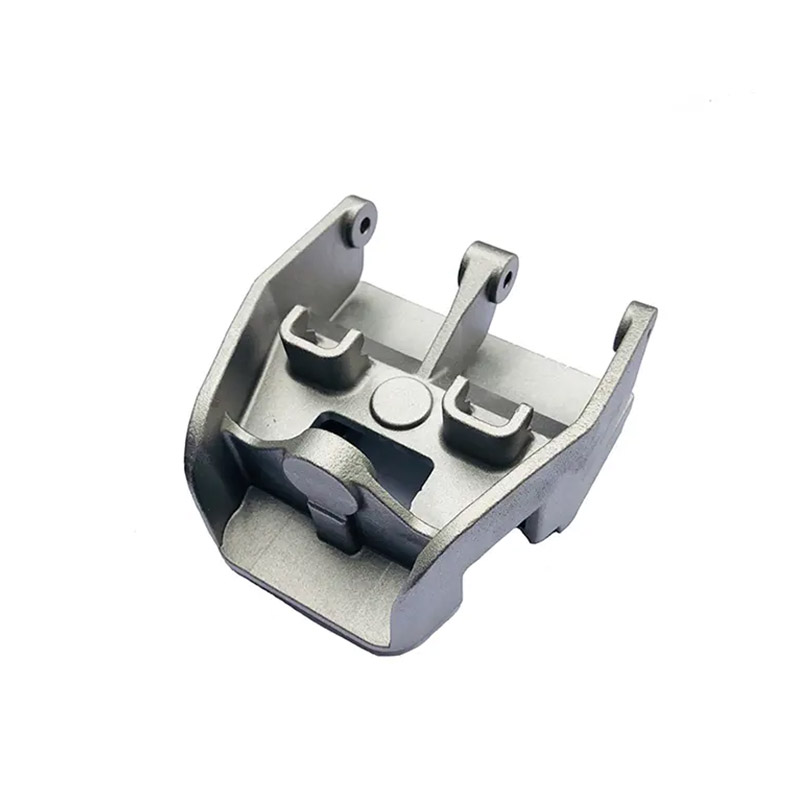
Advantages of Precision Investment Mould Casting
1. High Precision:
The precision investment mould casting process can achieve extremely tight tolerances, as close as ±0.005 in (±0.127 mm). This level of precision ensures that the final parts meet the most stringent dimensional requirements, making them highly suitable for applications where accuracy is critical.
2. Excellent Surface Finish:
The surface finish of parts produced through precision investment mould casting is typically very smooth, with a surface roughness ranging from 125–250 µin (3.2–6.3 μm Ra) without the need for additional machining. This reduces the need for secondary surface finishing operations, saving time and cost.
3. Complex Geometries:
This casting method is capable of producing parts with complex geometries, including thin walls, internal passages, and intricate details. It allows for the creation of parts with intricate shapes that would be difficult or impossible to achieve using other casting processes.
4. Wide Material Compatibility:
A wide range of materials can be used in precision investment mould casting, including stainless steel, aluminum, titanium, superalloys, and more. This versatility enables the production of parts with different material properties to meet various application requirements.
5. Minimal Machining Required:
Compared to sand casting or forging, precision investment mould casting requires minimal machining. This reduces post-processing costs and improves production efficiency.
Precision Investment Mould Casting Process
1. Pattern Creation:
A wax or polymer pattern is made, either by injection molding or 3D printing. Multiple patterns can be assembled into a wax tree to cast multiple parts simultaneously.
2. Shell Building:
The wax pattern is dipped into a ceramic slurry and coated with fine refractory sand. This process is repeated several times to build a thick, heat-resistant ceramic shell. The shell is then dried and hardened.
3. Dewaxing:
The ceramic-coated wax assembly is heated in an autoclave or furnace, melting out the wax. The remaining hollow ceramic mold is fired at high temperatures to strengthen it before metal pouring.
4. Metal Casting:
Molten metal is poured into the preheated ceramic mold. The metal solidifies inside the mold, taking the exact shape of the original wax pattern.
5. Shell Removal & Finishing:
After cooling, the ceramic shell is broken away, often using vibration or water blasting. Individual castings are cut from the tree, and post-processing (grinding, machining, heat treatment, or surface finishing) is applied.
Applications of Precision Investment Mould Casting
Aerospace & Defense:Turbine blades, engine components, missile parts
Medical & Dental:Surgical instruments, orthopedic implants
Automotive:Turbocharger housings, transmission parts
Industrial & Energy:Pump housings, valve bodies, hydraulic components
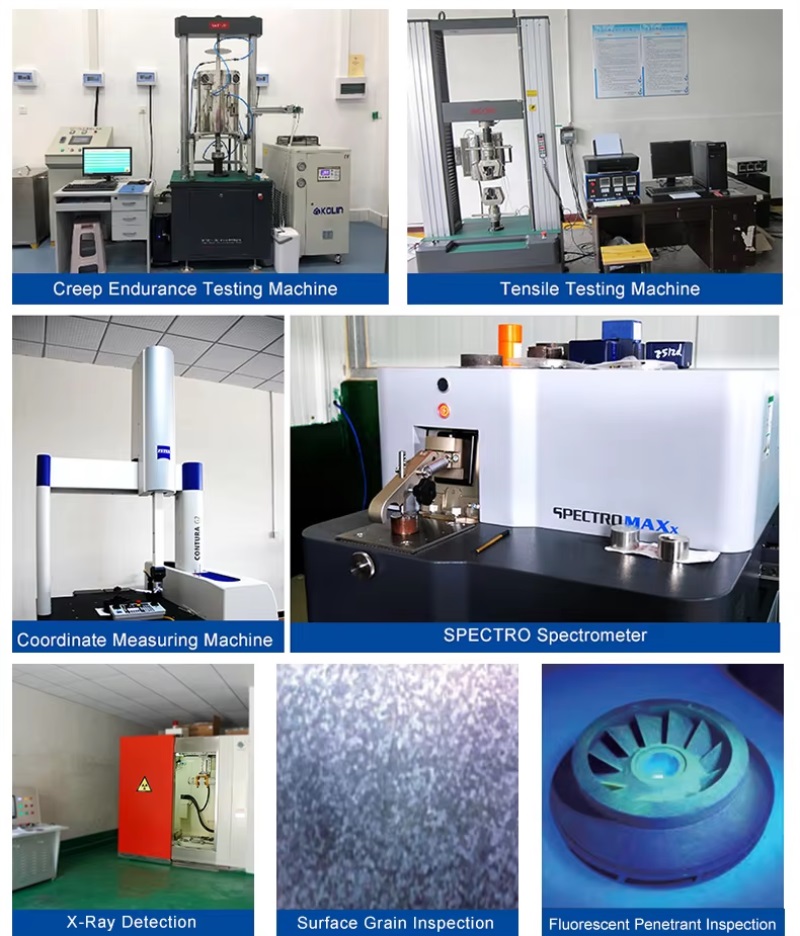
Quality Inspection
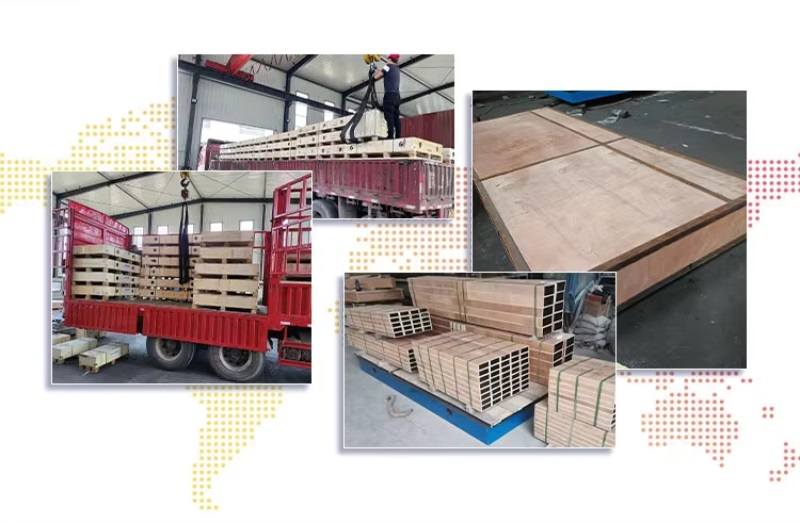
Packaging and Shipping
FAQs
What is the minimum order quantity for precision investment mould casting?
The minimum order quantity can vary depending on the specific requirements and complexity of the parts. It is recommended to contact us directly for more information.
How long does the production cycle typically take?
The production cycle can range from a few weeks to several months, depending on factors such as part complexity, material selection, and order quantity.
Can precision investment mould casting be used for prototypes?
Yes, precision investment mould casting can be used for both prototypes and production parts. It offers the flexibility to create complex geometries and test different designs quickly.

Reviews
There are no reviews yet.