
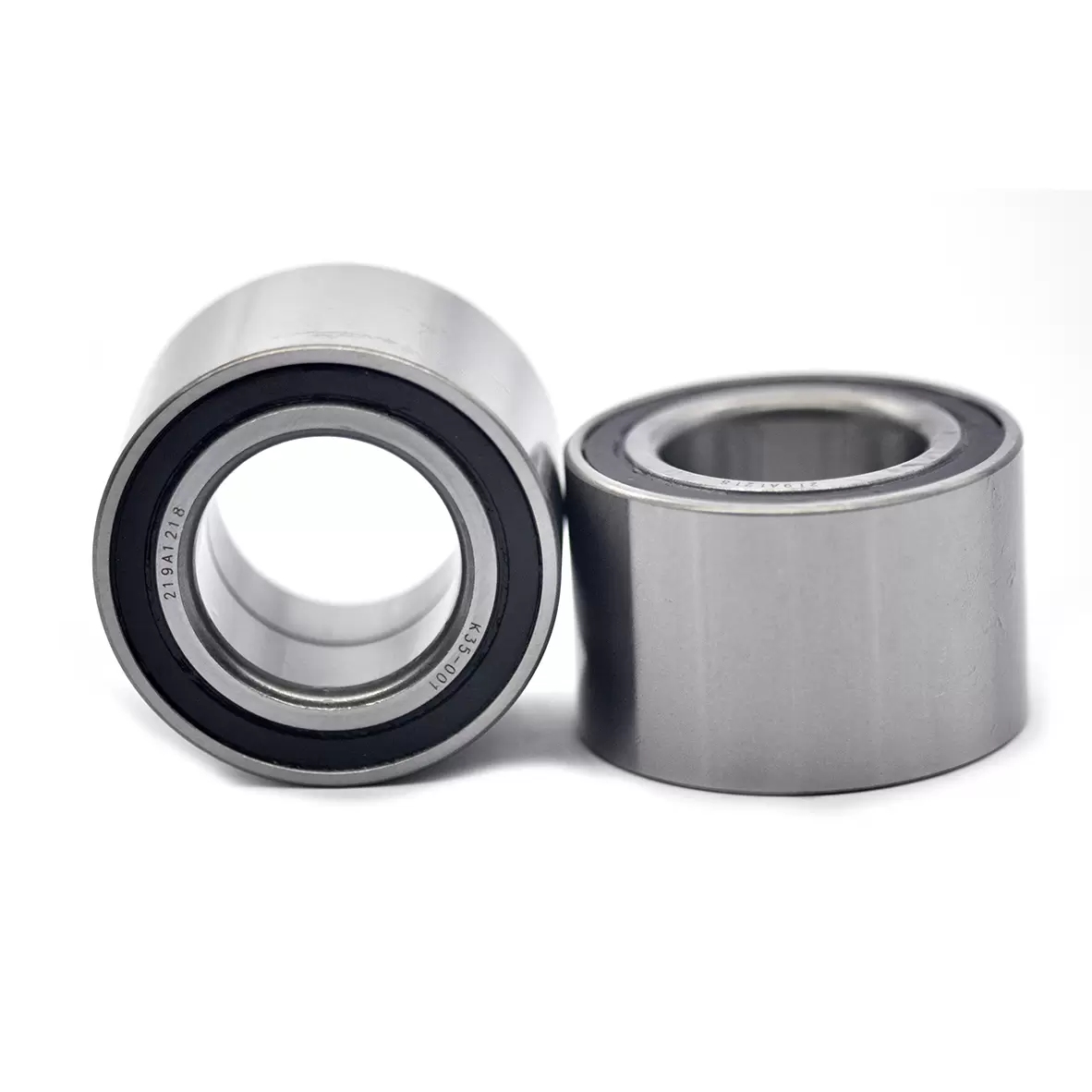
Overview of Wheel Hub Bearings
Wheel hub bearings are integrated bearing units designed to support the vehicle wheel assembly and ensure smooth, stable rotation. They play a critical role in connecting the wheel to the suspension system while maintaining precise alignment and efficient load transfer during driving.
These components are engineered for high-speed automotive applications where safety, durability, and consistent performance are essential. By combining structural strength with low-friction operation, wheel hub bearings help improve driving stability and overall vehicle efficiency.
Structure and Working Design
A wheel hub bearing typically consists of an inner bearing, outer raceway, rolling elements, and integrated sealing system. This compact structure forms a sealed unit that supports both radial and axial loads while maintaining proper lubrication inside the assembly.
The integrated design reduces installation complexity and improves alignment accuracy. It also ensures that the bearing operates as a single optimized unit, which enhances durability and minimizes the risk of mechanical failure under dynamic driving conditions.
Load Performance and Driving Stability
Wheel hub bearings are designed to handle complex combined loads generated during vehicle operation, including cornering, braking, and acceleration. They efficiently distribute radial and axial forces to maintain stable wheel movement under all driving conditions.
This load-handling capability is essential for ensuring vehicle safety and steering precision. The bearing maintains consistent contact between rolling elements and raceways, reducing vibration and improving ride comfort even at high speeds.
Key Performance Features
Wheel hub bearings offer low friction rotation, high load capacity, and strong resistance to wear. Their sealed structure prevents contamination from dust, water, and road debris, which significantly improves service life.
The optimized design reduces energy loss during rotation, contributing to better fuel efficiency and smoother driving performance. It also minimizes maintenance requirements, making them suitable for long-term automotive use.
Technical Highlights
| Feature | Description |
|---|---|
| Structure | Integrated wheel hub assembly |
| Load Type | Radial + axial + combined loads |
| Function | Wheel support and smooth rotation |
| Sealing System | Built-in protection against contamination |
| Application | High-speed automotive systems |
| Advantage | Low friction and long service life |
Applications in Automotive Systems
Wheel hub bearings are widely used in passenger cars, commercial vehicles, SUVs, and light trucks. They are essential components in modern suspension and drivetrain systems, where precision and durability are required.
They are also used in electric vehicles and high-performance vehicles, where reduced friction and stable rotation directly impact efficiency and driving range.
Durability and Maintenance Advantages
The integrated sealed structure helps protect internal components from moisture, dust, and contaminants. This significantly extends service life and ensures stable performance under harsh road conditions.
Because wheel hub bearings are pre-assembled and pre-lubricated, they require minimal maintenance. This reduces servicing costs and improves overall vehicle reliability.
Conclusion
Wheel hub bearings provide essential support for vehicle safety, stability, and performance. Their integrated structure, strong load capacity, and low-friction design make them a key component in modern automotive engineering, ensuring smooth and reliable operation under demanding driving conditions.

Reviews
There are no reviews yet.